


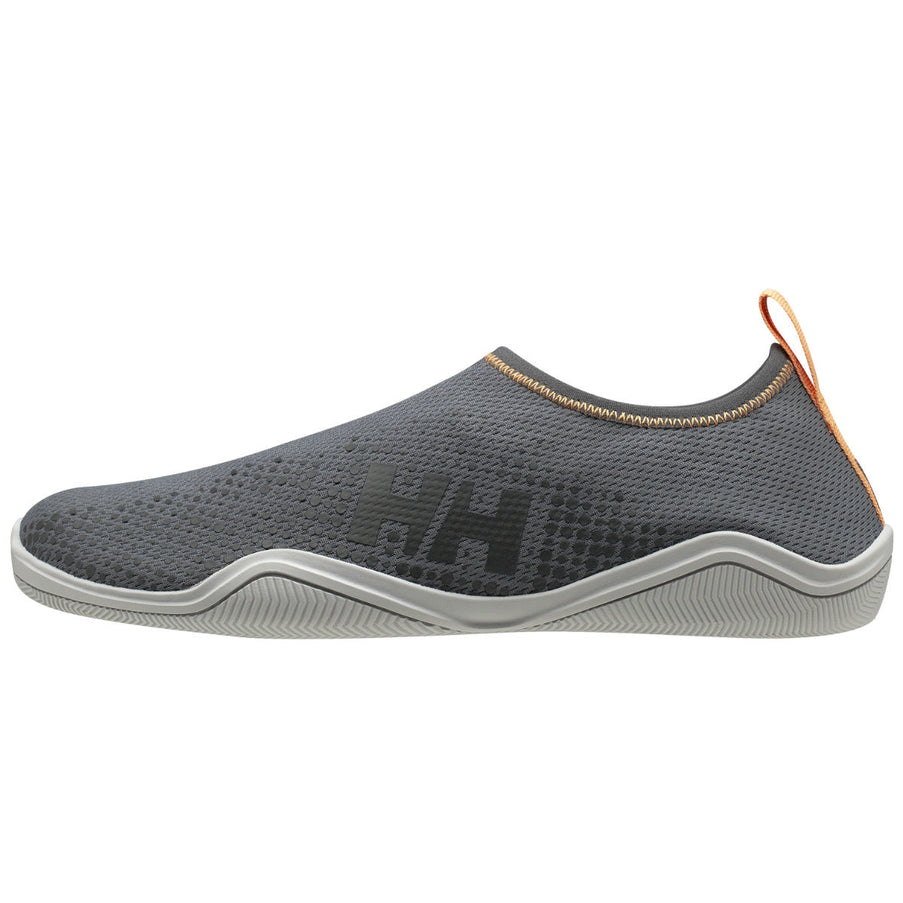
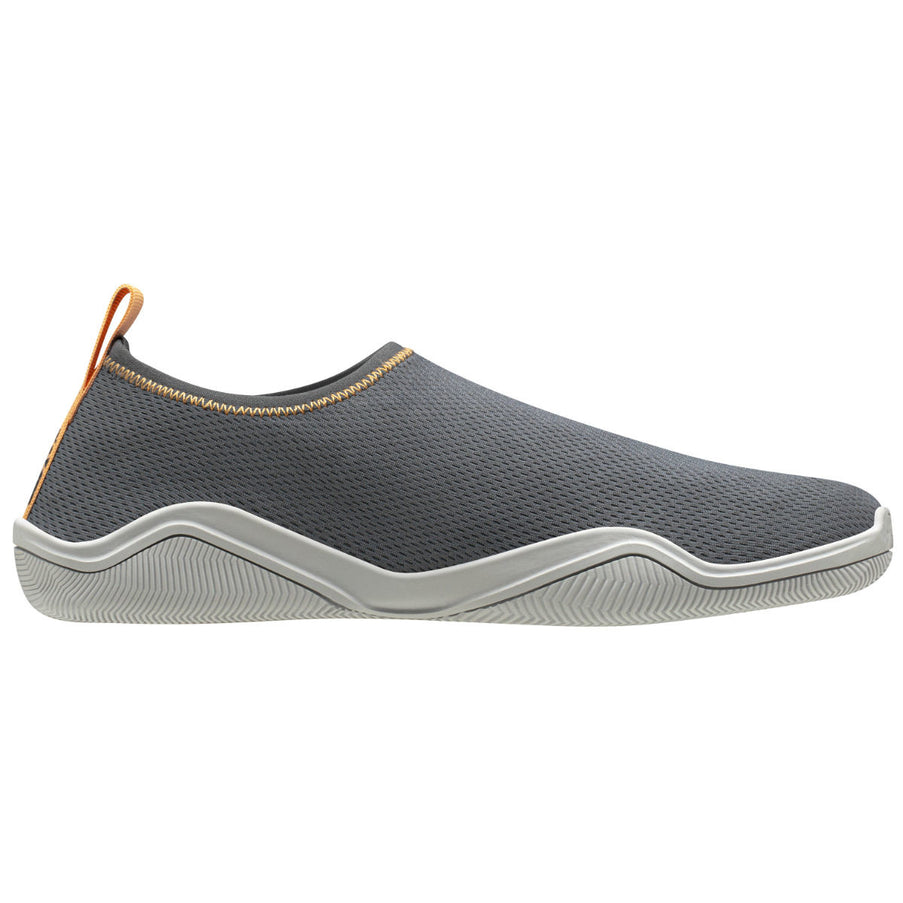


Water shoes for beach, watersports and boat
Water shoes are elastic shoes with a rubber or EVA sole and a breathable neoprene or mesh upper, designed for use in and around the water without your feet getting cut on stones, shells or underwater plants. The range includes models from Prolimit, JOBE, Helly Hansen, Rouchette, Magic Marine and Brunotti for men, women and children, from thin beach versions starting at 1 mm to warm winter surf shoes of 5 to 6 mm. For specific disciplines you will also find surf shoes for windsurfing and kitesurfing and athletic JOBE water shoes in sneaker style.
Which water shoes fit your use?
| Type | Material | Use | Example | Price range |
|---|---|---|---|---|
| Beach shoe | Thin neoprene or mesh, EVA sole | Beach, pool, shallow water | Brunotti Watershore, Rouchette Explor | €10 - €30 |
| All-round water shoe | 1-3 mm neoprene, rubber sole | SUP, canoe, kayak, recreational swimming | JOBE H2O, JOBE Discover Slipper | €30 - €50 |
| Sneaker water shoe | Dense neoprene, sneaker sole | SUP, canoe, wakeboard, daily dry wear | JOBE Discover Sneaker (low/high) | €60 - €90 |
| Boat-shoe style | Neoprene with light tread | Boat deck, sailing, light watersports | Helly Hansen Crest, Magic Marine Brand | €35 - €60 |
| Surf shoe 3 mm | 3 mm neoprene, split-toe or round-toe | Windsurf, kitesurf summer, cold water | Prolimit Predator 3 mm, Fusion 2.5 mm | €50 - €80 |
| Surf shoe 5-6 mm winter | 5-6 mm neoprene, GBS seams, reinforced sole | Wave surfing winter, cold salt water | Prolimit Predator Armoured, Hydrogen 6/5 mm | €85 - €110 |
Rule of thumb: for occasional beach use thin water shoes of €10 to €30 are plenty. Anyone who regularly goes SUP, canoe or kayak chooses an all-round neoprene water shoe with a good sole. Only when you windsurf and kitesurf in cold water do you switch to a real 5 mm or heavier surf shoe with split-toe construction for maximum grip on the board.
Neoprene, EVA and drawstring closure
The sole determines what you use the shoe for. Thin EVA soles are light and flexible but give limited protection on coarse gravel or sea floor with sharp shells. Thicker rubber soles with tread pattern also handle rocks and rough dock planks. Almost all models have a drawstring or velcro closure to prevent loss when jumping into the water. For sailors and motor-boat owners: deliberately choose a light-colored or non-marking sole to avoid streaks on the deck. The Magic Marine Brand and Helly Hansen Crest are designed for this.
Frequently asked questions about water shoes
What is the difference between water shoes, surf shoes and boat shoes?
Water shoes are the broadest category: elastic shoes for occasional water use with a thin neoprene upper and flexible sole, suitable for beach, pool, SUP and canoe. Surf shoes are a specific version with thicker neoprene (3 to 6 mm), reinforced sole and often split-toe construction for grip on a windsurf or kitesurf board in cold water. Boat shoes by contrast are real leather or canvas shoes for the deck with a white non-slip sole that leaves no marks. For sailors who regularly step in and out of the water, water shoes with a boat sole like the Helly Hansen Crest or Magic Marine Brand are a good middle ground.
Which water shoes do you choose for SUP, kayak or sailing?
For SUP and kayak all-round neoprene water shoes of 1 to 3 mm work well because you mainly stay dry but want grip on a wet board. The JOBE Discover series (slipper, instapper, sneaker) is designed for this and gives safe footing both on the board and when stepping on and off a dock. For sailing you would rather choose a model with a light tread and salt-water-resistant stitching: the Helly Hansen Crest and Magic Marine Brand combine water-shoe fit with a deck-friendly sole. For wakeboard and wakesurf a high sneaker like the JOBE Discover Hoge Sneaker is more stable in the binding.
Which size water shoes should I choose?
Most water shoes fit true to size, take your normal shoe size. With neoprene models featuring a closed upper, do not size up because the material stretches on first wear and a loose fit gives slippage inside the shoe. With children the same principle applies: fit to the current foot, do not buy to grow into, because oversized water shoes fall off easily when jumping or swimming. If between two sizes, choose the smaller one for thin beach versions and the larger one for thick surf-shoe versions where you wear a sock underneath.
How do you maintain water shoes after salt water or sand?
Rinse water shoes briefly with fresh water after each use in salt water, especially inside where salt crystals can remain and stiffen the neoprene over time. Then let them dry upside down at room temperature. Do not place them on a heater or in direct sunlight, because UV and high heat accelerate wear of both neoprene and glued seams. For surf shoes with GBS stitching: a wash with wetsuit shampoo once a season keeps the rubber supple. Do not store water shoes folded flat, that creates creases that eventually crack open.
In stock? Order before 17:00 and it ships the same day. Otherwise, as soon as possible. Not sure which type or size? Our specialists in Joure are happy to help.
