


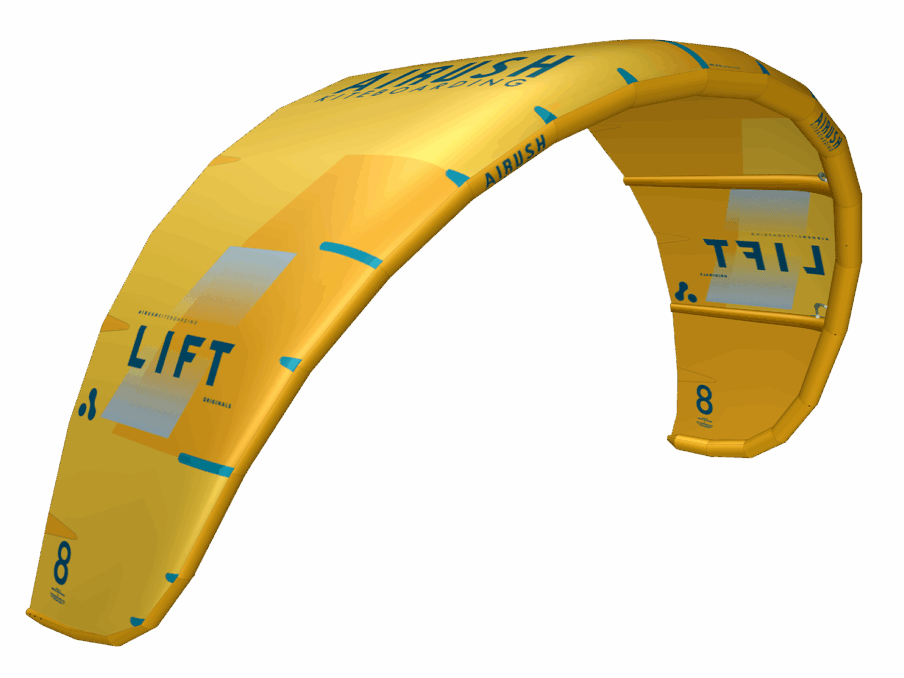
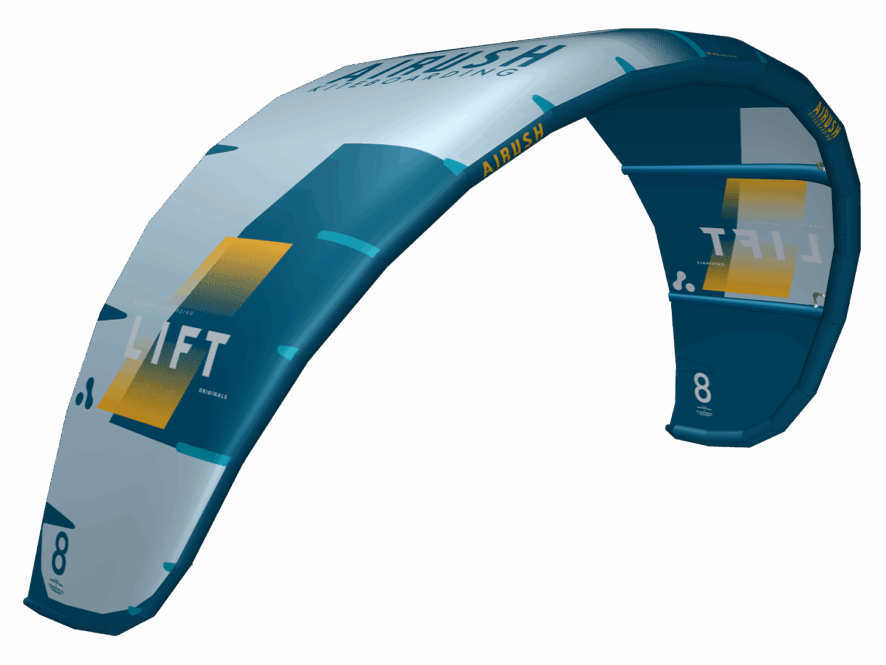


Buy a kite for kitesurfing: type, size and discipline
The kite is the heart of your kitesurfing equipment. It catches the wind, generates pull and largely determines your riding experience. Choosing the right type and size is crucial for safety, progression and enjoyment on the water. The wrong choice leads to a kite with too little pull in light wind or overwhelmingly powerful in strong wind. Browse the full rangekitesurfing, kiteboardskitesurf sets.
| Kite type | Characteristics |
|---|---|
| Freeride/allround kite | Stable, forgiving, wide wind window, ideal from beginner to advanced |
| Big air kite | Explosive lift, high jumps, long hangtime, for advanced riders |
| Wave kite | Highly manoeuvrable, light bar pressure, for wave riding and strapless |
| Light wind kite | Large kite with high aerodynamic efficiency for low-wind days |
| Freestyle/wakestyle kite | Direct response, slack for unhooked tricks, for advanced freestyle riders |
Choosing kite size by weight and wind
The right kite size depends on your body weight and the wind strength at your location. As a rule of thumb: the more wind, the smaller the kite. When in doubt, always choose the larger size, as a kite that is slightly too small gives insufficient power to plane while a kite that is slightly too large is still manageable in normal wind.
| Rider weight | Light wind (10-15 knots) | Medium wind (15-25 knots) |
|---|---|---|
| Under 70 kg | 10-12 m² | 8-10 m² |
| 70-90 kg | 12-14 m² | 9-12 m² |
| Over 90 kg | 14-17 m² | 11-14 m² |
Kite types explained: LEI vs foil kite
The most common kites for kitesurfing are leading edge inflatable kites, also known as LEI kites. These have an inflatable frame of struts and a leading edge. They float automatically on the water and are easy to relaunch after a crash. This makes them particularly suitable for beginners and for kitesurfing on the water. Foil kites have no inflatable frame but consist of cells filled with air driven in by airspeed. They are lighter and perform better in light wind but are more sensitive after water crashes and require more experience to handle.
Frequently asked questions about kites
Which kite suits my level as a beginner?
As a beginner, choose an allround freeride kite with stable flying behaviour and easy relaunch. These kites are forgiving and versatile across different wind strengths. Do not start with a freestyle or wave kite: those require more riding experience and are less forgiving in the air and on the water.
How many kite sizes do I need?
Most kitesurfers start with one allround size that matches the wind conditions at their regular spot. As you progress and spend more time on the water, you build a quiver of two or three kites to cover all wind strengths. A typical combination is a small kite for strong wind and a larger kite for light wind days.
What is the difference between a 3-strut and a 5-strut kite?
Struts are the inflated ribs that give the kite its shape and rigidity. A 3-strut kite is lighter and often more playful in its riding behaviour. A 5-strut kite is more stable and powerful, which is standard for big air kites. More struts means more frame, more stability under high forces and wind gusts.
How long does a kite last?
With normal use and good maintenance a kite lasts an average of three to five seasons. Thorough rinsing after salt water use and storing away from direct sunlight significantly extends its life. UV radiation degrades the canopy material over time. Inspect struts and leading edge each season for leaks or tears.
In stock? Otherwise as soon as possible. Questions? Our specialists are happy to help.
