


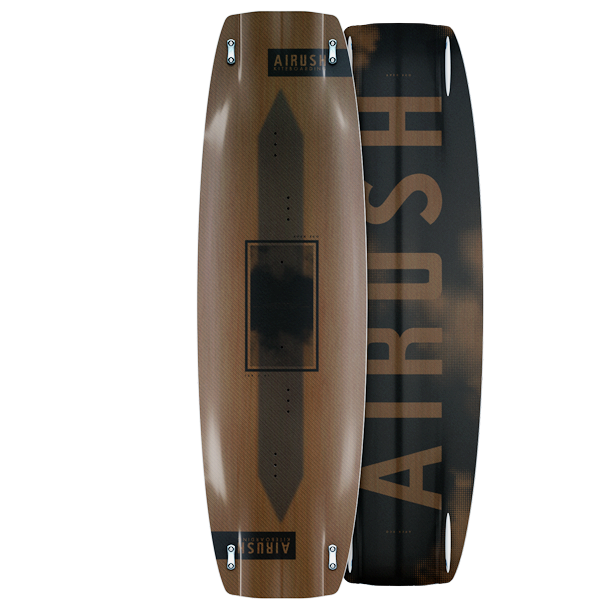


The board determines how energy is converted into movement on the water. Whether you’re a beginner or a pro, the right board choice makes all the difference.
| Board type | Shape | Riding style | Level |
|---|---|---|---|
| Twintip | Symmetrical | Freeride / Freestyle | Beginner to advanced |
| Directional / Wave | Asymmetrical | Wave riding | Advanced |
| Foilboard | With hydrofoil | Light wind, gliding | Advanced |
Size guide
| Rider weight | Recommended length |
|---|---|
| Under 60 kg | 130–134 cm |
| 60–80 kg | 134–138 cm |
| 80–100 kg | 138–142 cm |
| Over 100 kg | 142 cm+ |
Twintip vs. directional vs. foilboard
- Twintip: Symmetrical, easiest to learn, suits the vast majority of riders.
- Directional: Like a surfboard, perfect for waves, requires more experience.
- Foilboard: Lifts above the water, very smooth, ideal in light wind.
Understanding board characteristics
- Rocker: Curvature – more rocker = softer ride, less rocker = more speed.
- Flex: Stiffness – softer flex absorbs chop, stiffer flex gives control at high speed.
- Channels & fins: Improve edge grip and directional stability.
- Pads & straps: Secure your feet in position, adjustable for comfort and control.
Browse more: Kites | Kitesurf sets | Kitesurfing.
In stock? Otherwise as soon as possible. Questions? Our specialists are happy to help.
