


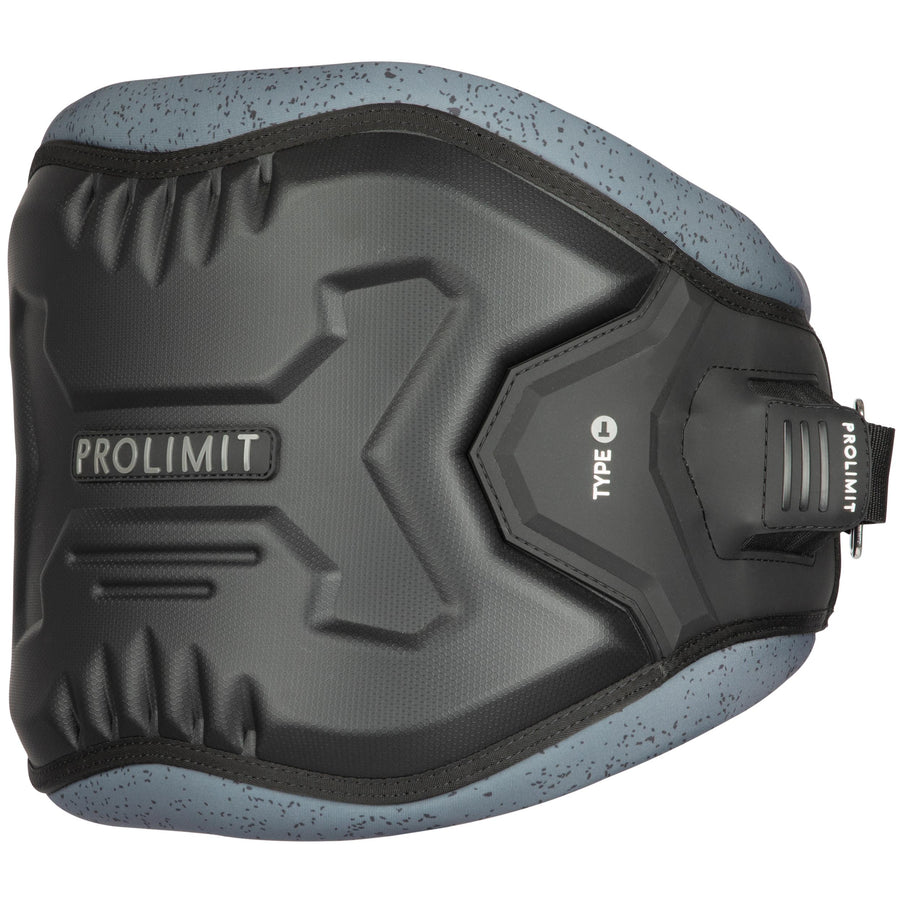

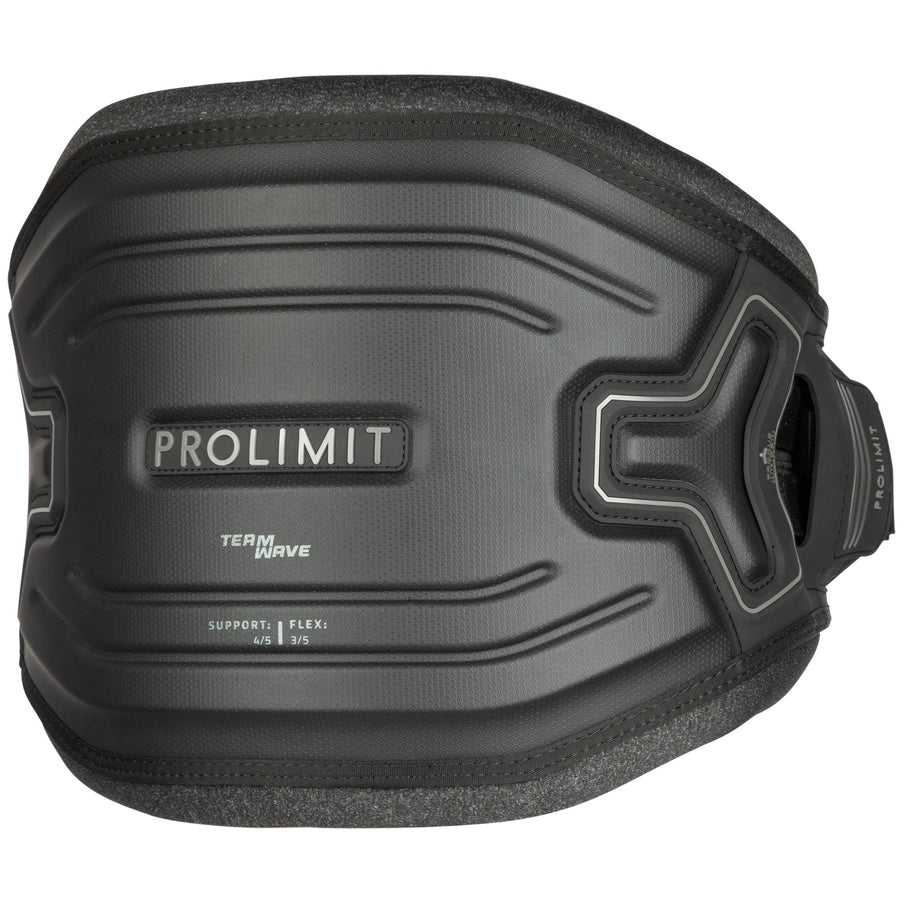


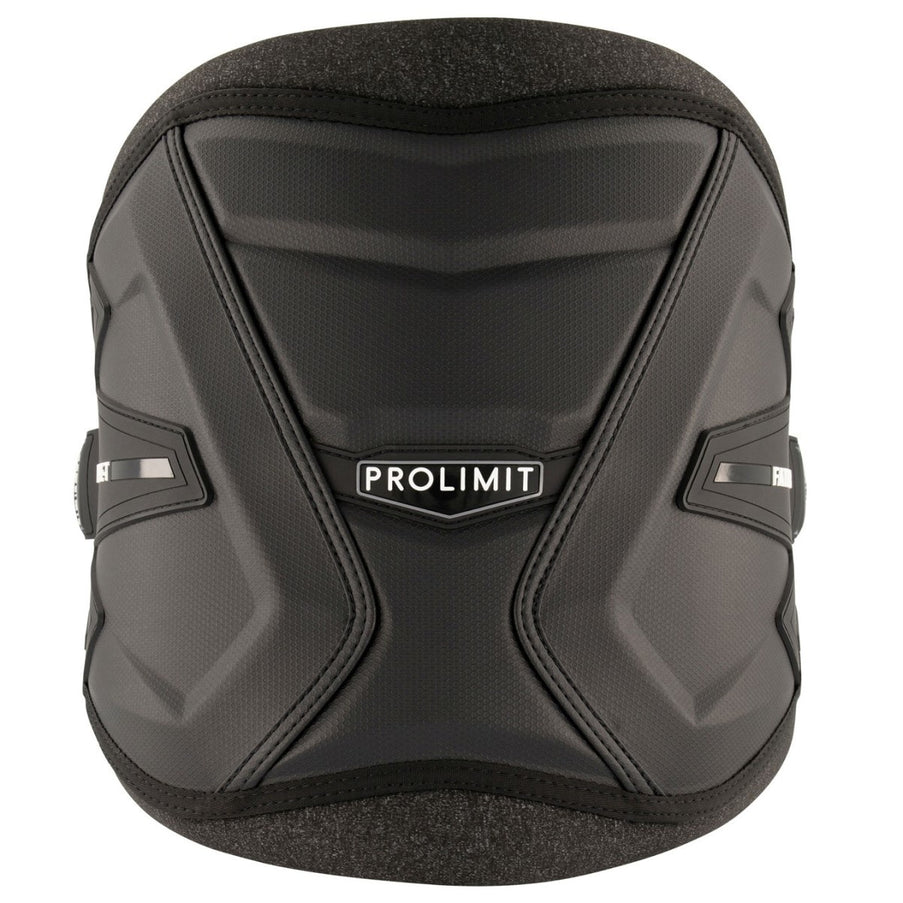
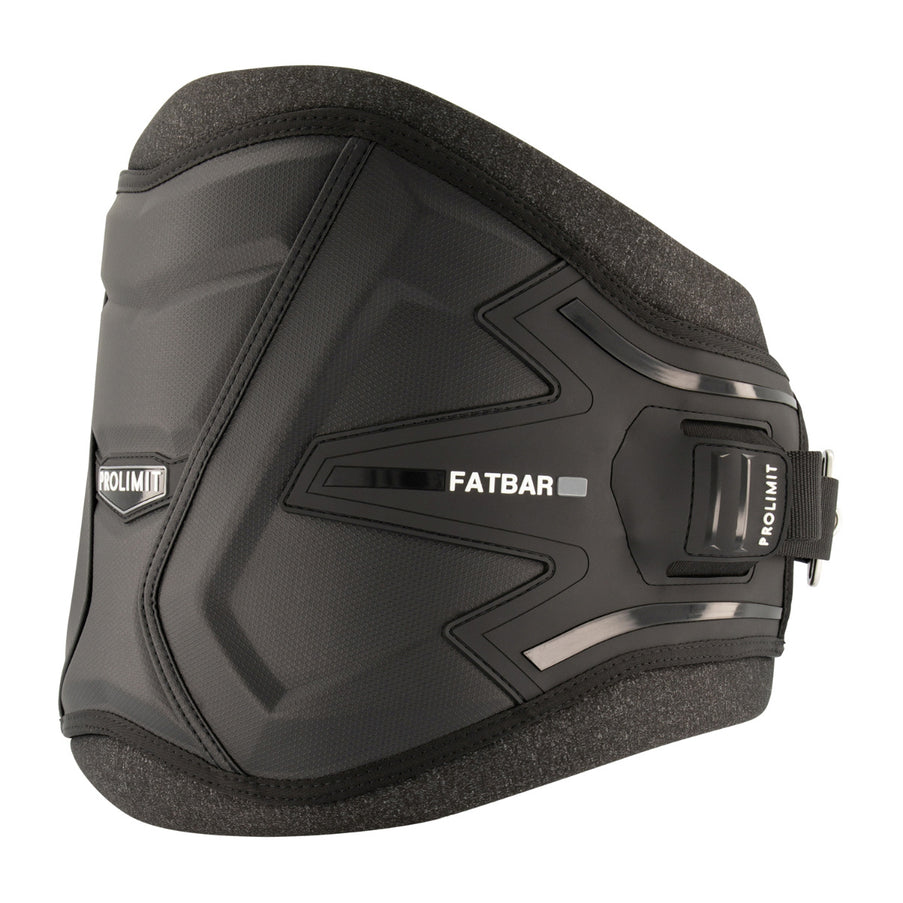






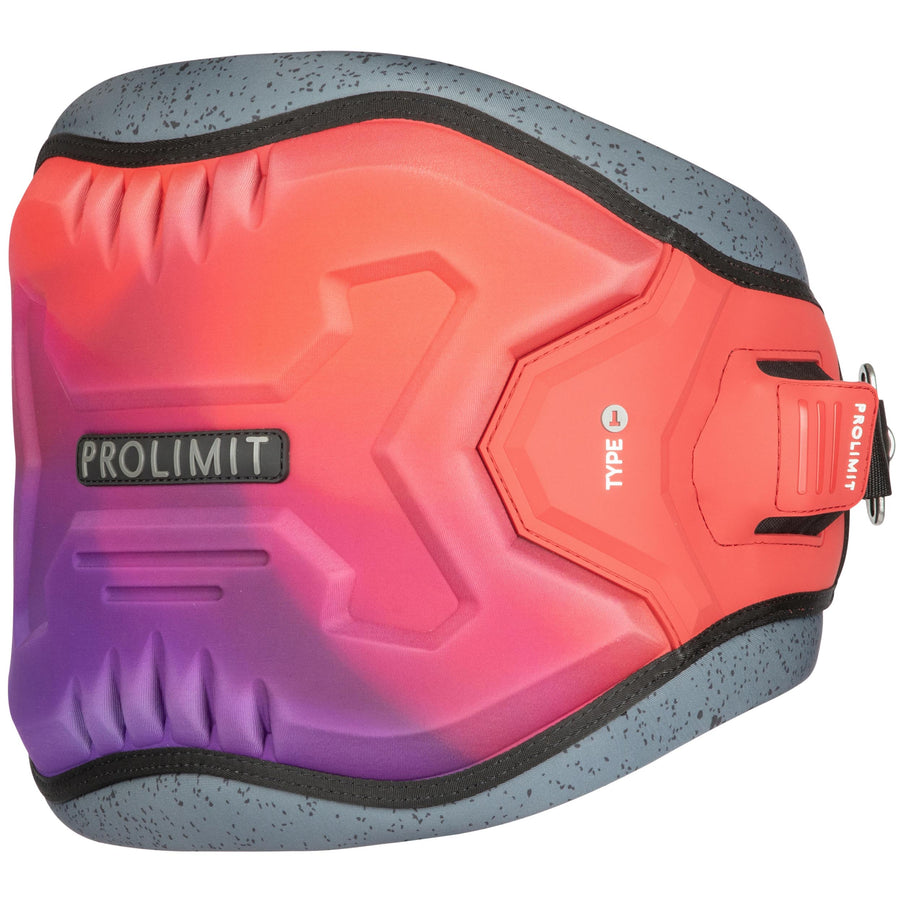


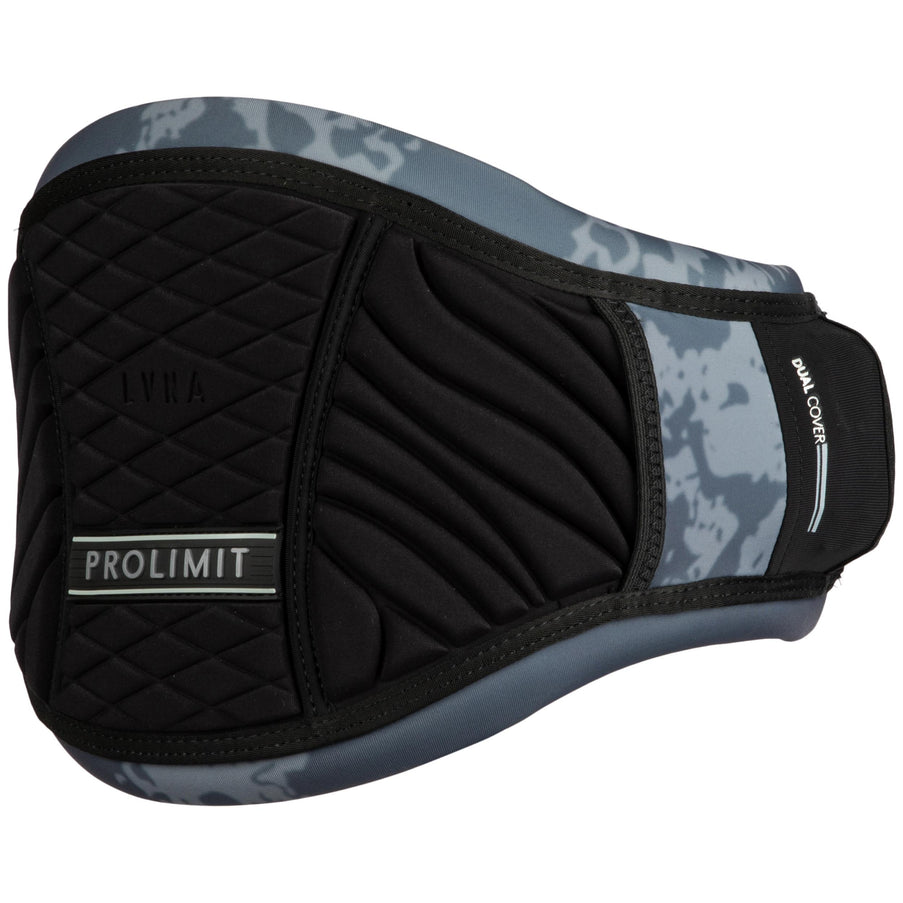


Buy a windsurf harness: seat harness and waist harness
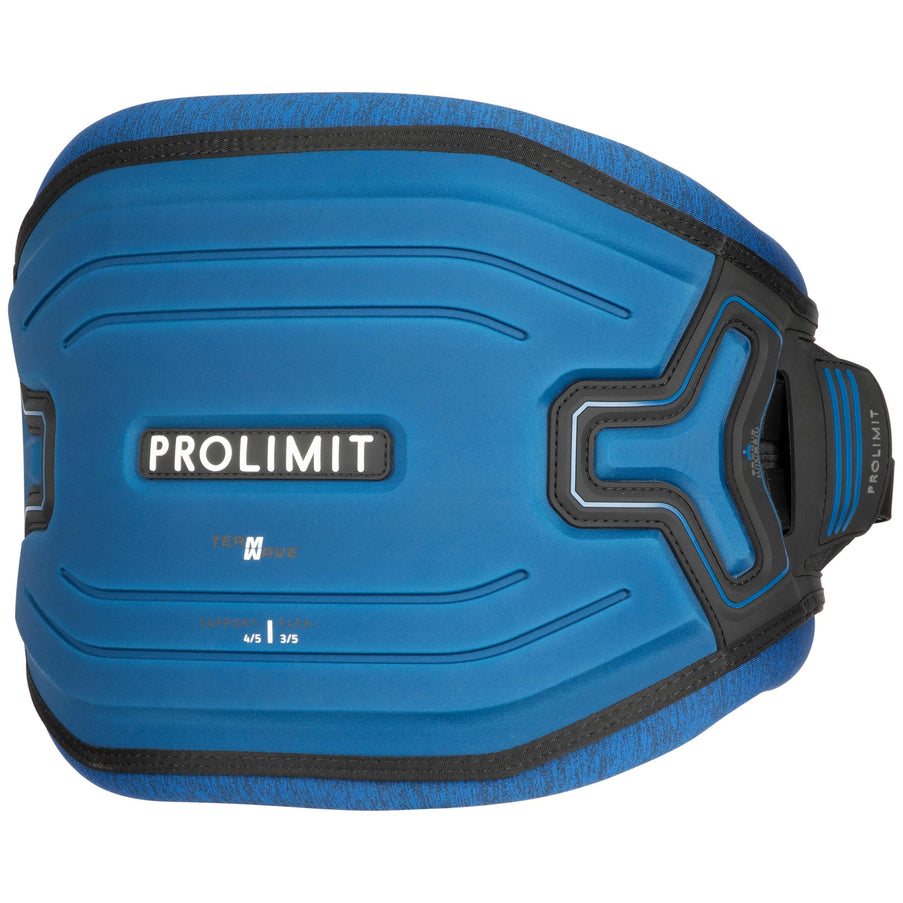
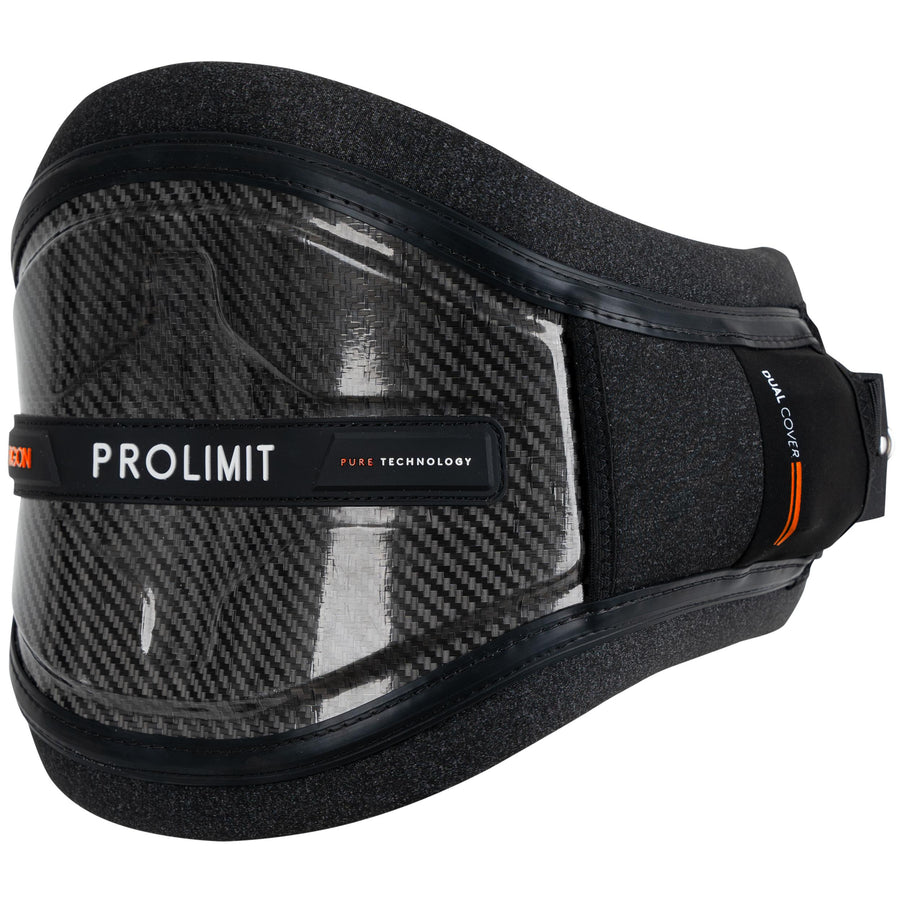
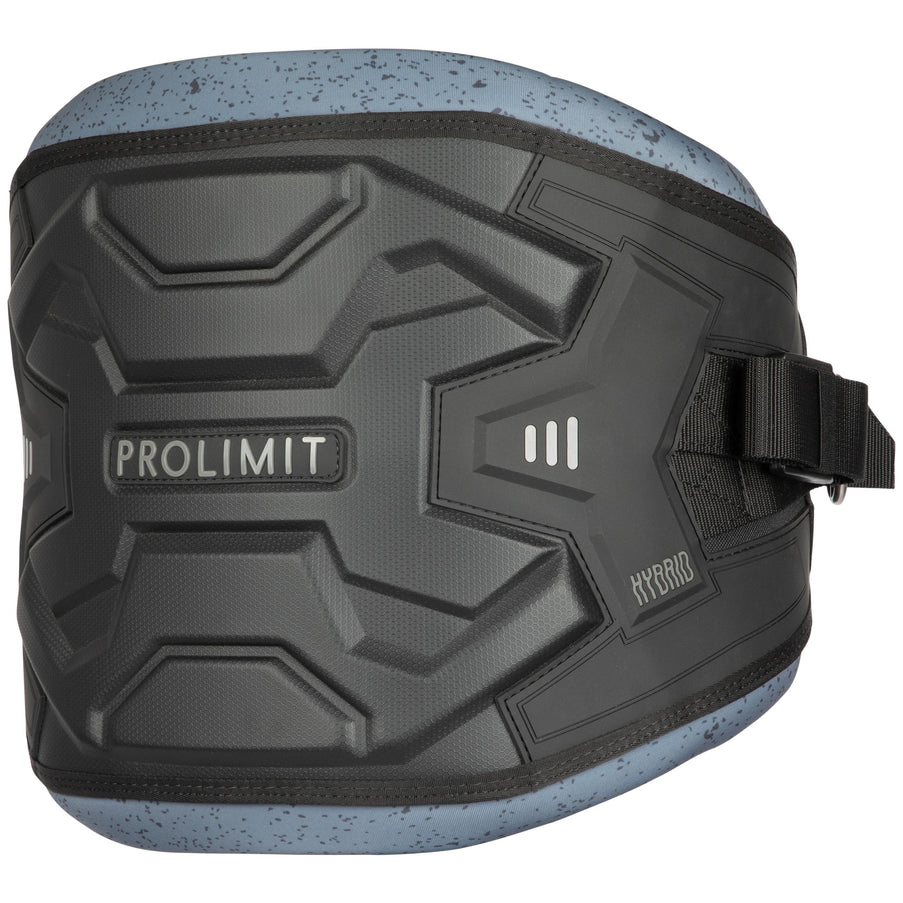
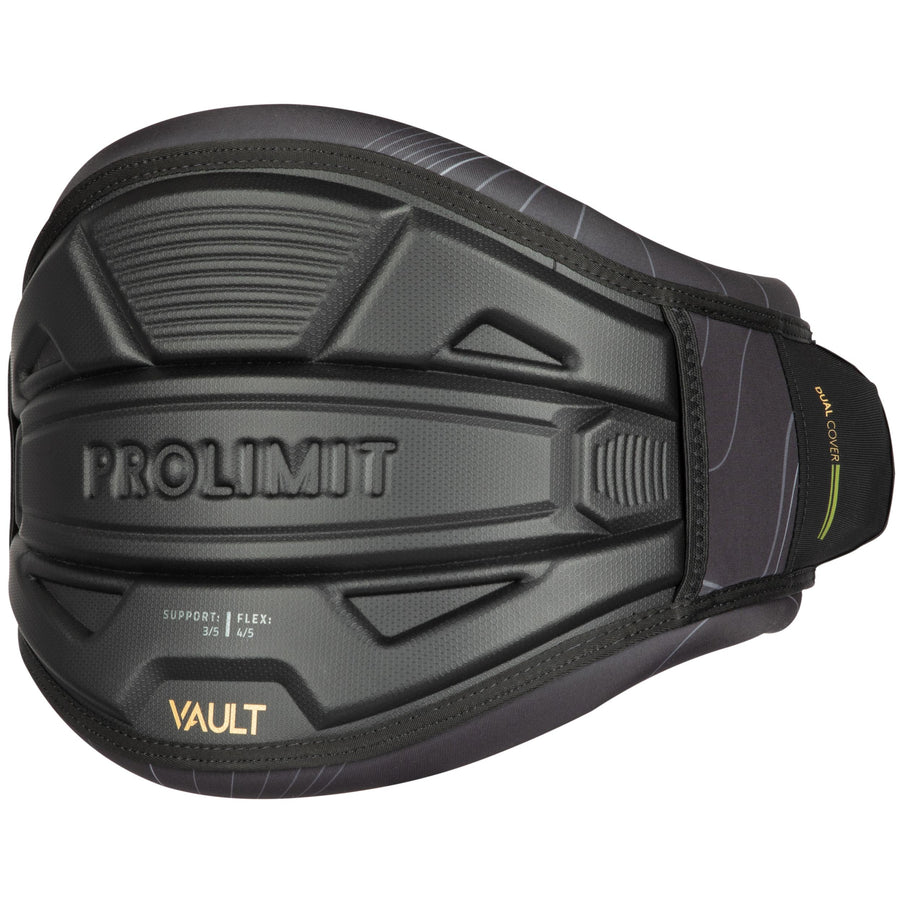
A windsurf trapeze is a harness that windsurfers wear around their waist or hips and clip to the sail via harness lines, so the pull of the sail is transferred through the body instead of just through the arms. Without a harness your arms tire quickly; with the right harness you can sail for hours on the lake or bay without muscle fatigue. The range includes seat harnesses, waist harnesses and race harnesses from Prolimit, Severne, NP and STX, including harness lines and separate hooks.
Seat harness, waist harness or race harness: what suits you?
The choice between a seat harness and a waist harness depends on your level, riding style and physical preference. Beginners almost always go for a seat harness: it distributes the load over hips and legs and keeps you standing stably without straining your back. Advanced and competition surfers choose a waist harness for more freedom of movement and faster jibes. The table below gives an overview.
| Type | Stiffness | Gender | Level | Use |
|---|---|---|---|---|
| Seat harness | Semi-rigid to rigid | Men, Women, Kids | Beginner to intermediate | Freeride, cruise, stable riding |
| Waist harness | Soft to semi-rigid | Men, Women | Intermediate to expert | Freeride, wave, freestyle |
| Race harness | Rigid carbon/plastic | Men | Expert, competition | Slalom, formula racing, raceboard |
Rule of thumb: if you're starting out, go for a Prolimit Challenger or Rambler seat harness. If you've been sailing for a season and you're regularly jibing, a waist harness gives you more freedom of movement.
Harness lines: the link between harness and sail
Harness lines hang over the boom and determine at which point you transfer the pulling force. Set too short and you hang forward; too long and you lean back. Rule: set the lines so you stand upright with slightly bent knees and your arms relaxed beside your hooks. Prolimit, Severne and STX supply lines from 22 to 32 cm in fixed and adjustable versions. Check out the full rangewindsurf for masts, booms and boards, or browse sails if you're also looking for a new sail.
Frequently asked questions about windsurf harnesses
What's the difference between a seat harness and a waist harness?
A seat harness wraps around your hips and thighs with leg loops and spreads the sail pull over a larger body surface. That makes it more comfortable for longer sessions and more stable for beginners. A waist harness sits only around the waist, is more compact and gives more freedom of movement for jibes and manoeuvres. The downside: the pull concentrates on the lower back, which can cause back pain in advanced surfers if the line setup isn't dialled in. Choose a seat harness if you've been surfing less than a year or want to avoid lower back strain. Choose a waist harness if you're focused on technique and speed.
Which harness is right for a beginner?
As a beginner, choose a seat harness with a semi-rigid back plate, wide hip belt and adjustable leg loops. The Prolimit Challenger Seat and the Rambler Seat are popular choices: both offer good support without excessive stiffness and come in multiple sizes. Avoid a size that's too tight: you need to wear the harness comfortably over a wetsuit. Buy the harness ideally together with 28 cm harness lines, as many beginners start with a neutral line length. As you progress, adjust the line length to match your boom lengths and riding technique.
How do I set up harness lines correctly?
Hang the lines on the boom so the middle of the line sits above the balance point of the sail. Stand on the water with the sail in the wind, hook in and let go with your hands. If you fall forward, the lines are too far back; if you fall backward, they're too far forward. Move the lines in small steps of 2 cm until you stand upright. Set the line length to 26-30 cm for average wind strength. Shorter for more control in strong wind; longer for comfort in light wind. Always re-check the setup when you switch to a different sail.
How do I take care of my windsurf harness?
Rinse the harness after every session with fresh water, including the buckle and strap mechanisms. Salt crystallises in the fabric and breaks down the coating. Let the harness dry in the shade: direct sun ages neoprene and EVA foam faster. Regularly check the hooks for wear and replace them as soon as the coating cracks or the hook lip rounds off; a faulty hook can release unexpectedly. Store the harness flat or hanging on a hook, not folded, so the rib plates don't permanently deform. With proper care a quality Prolimit or Severne harness lasts five to seven years.
In stock? Otherwise, as soon as possible. Not sure which product fits your boat? Our specialists are happy to help.
