
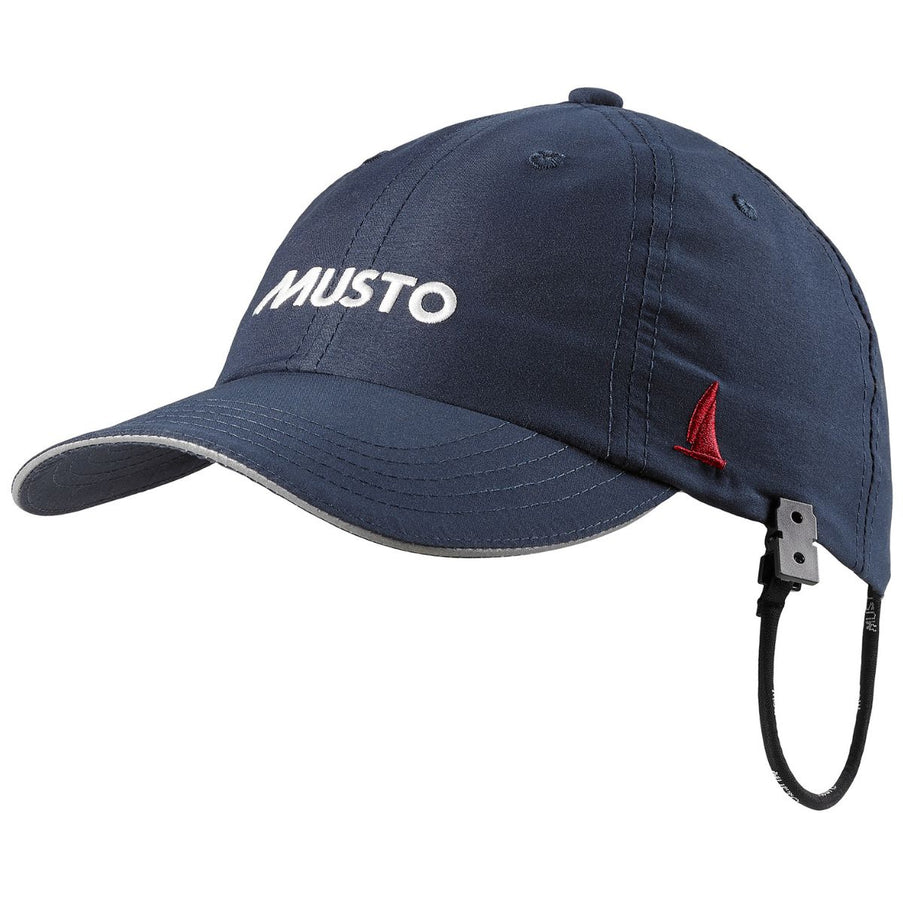


Buy sailing caps and hats for on the water
A sailing cap is a piece of headwear designed specifically for use on the water, with features such as quick-drying fabrics, wind-resistant fit and UV protection. Brands like Helly Hansen, Musto and JOBE develop their caps for the conditions that sailors, kitesurfers and watersports enthusiasts face every day: shifting wind, direct sunlight on the water and spray from waves. The difference from a regular cap lies in the details: flatlock seams that don't chafe, materials that dry quickly after a shower, and peaks that don't fold back in gusts.
Which type of headwear suits your watersport?
The range runs from lightweight sun caps to warm beanies for cold autumn regattas. The table below gives a quick overview.
| Type | UV factor | Wind resistant | Best use |
|---|---|---|---|
| Cap (baseball style) | UPF 40-50+ | Good (adjustable closure) | Sailing, dinghy, SUP |
| Bucket hat / sun hat | UPF 50+ | Moderate (chin strap recommended) | Cruising, beach, long sunny days |
| Beanie | No UV | Excellent (close-fitting) | Winter sailing, cold autumn regatta |
| Bandana / visor | UPF 30-40 | Good (elastic) | Dinghy racing, kite |
| Sunhat (wide brim) | UPF 50+ | Moderate (chin cord useful) | Motorboat, leisure sailing, beach |
For open-sea sailing, choose a cap with a stiff peak that won't fold back. On a motorboat or for leisure sailing, a bucket hat gives more coverage for the neck and ears. Beanies belong in autumn or early spring when temperatures and wind chill drop quickly.
Materials and care
Musto and Helly Hansen use polyester blends that dry in minutes. Most models are machine washable at 30 degrees; check the label as some caps have a stiffened peak that loses its shape with warm washing. Salt is a factor with sea water: rinse your cap after every session with lukewarm tap water to prevent sea salt crystallising in the fabric.
Completing your sun protection
A sailing cap covers the top of the head and the upper face, but the nose, cheekbones and chin remain exposed. Pair your headwearzinc stick sun protection for the exposed facial zones. For the rest of your outfit, find quick-drying sailing shirts, jackets and trouserssailing clothing collection.
Frequently asked questions about sailing caps and hats
Which cap is best for sailing at sea?
For open sea, a cap with a stiff peak and an adjustable closure at the back is the most reliable choice. The stiff peak stays up in gusts, while a soft peak folds over and blocks your view. Look for a Velcro or buckle closure so you can set the fit firmly. Musto and Helly Hansen offer models with velcro closure and a lightweight peak in the 30 to 45 euro range. Choose a dark colour if you want thermal comfort: dark fabrics absorb more heat but also keep the cold out better in changeable weather. Light white or grey reflects heat better and is more comfortable on sunny summer afternoons.
What UV protection does a sailing cap offer?
Sailing caps from Musto and Helly Hansen typically carry UPF 40 to UPF 50+ certification. UPF stands for Ultraviolet Protection Factor and indicates how much UV radiation passes through the fabric. UPF 50+ means less than 2% of UV radiation reaches the skin. Regular cotton caps rarely have a UPF value above 15-20, which is insufficient for watersports. Water reflects UV radiation by a factor of up to 1.5, increasing your total exposure. When buying, check that the label states an explicit UPF number; a description of UV-protective without a number is not certified.
How do I wash and care for a sailing cap?
Most quick-drying sailing caps are machine washable at 30 degrees on a delicate cycle. Use a mild detergent and no fabric softener, as softener damages the hydrophobic coating that makes quick drying possible. Caps with a stiff peak are better washed by hand to prevent distortion. Always air-dry the cap on a round form like a ball or upturned bowl to keep the peak in shape. Never store the cap folded in a damp sports bag, as this encourages odour. Rinse after every sailing day with lukewarm water to remove sea salt residue that attacks fabric and stitching.
Bucket hat versus cap: which works better for sailing?
A cap protects directly in front of the face and is lightweight, but leaves the neck and ears exposed. A bucket hat has a wide all-round brim that also protects the neck, ears and sides of the face in low sunlight. On hot sunny days a bucket hat is the better choice for coverage; in racing or active sailing a stiff cap is more practical because of better wind resistance. Some Musto bucket hats have a hidden chin strap that lets you secure the hat in strong gusts. The choice ultimately depends on the type of sailing: leisure cruising needs more sun protection, racing needs more wind resistance.
In stock? Otherwise, as soon as possible. Not sure? Our specialists are happy to help.
