
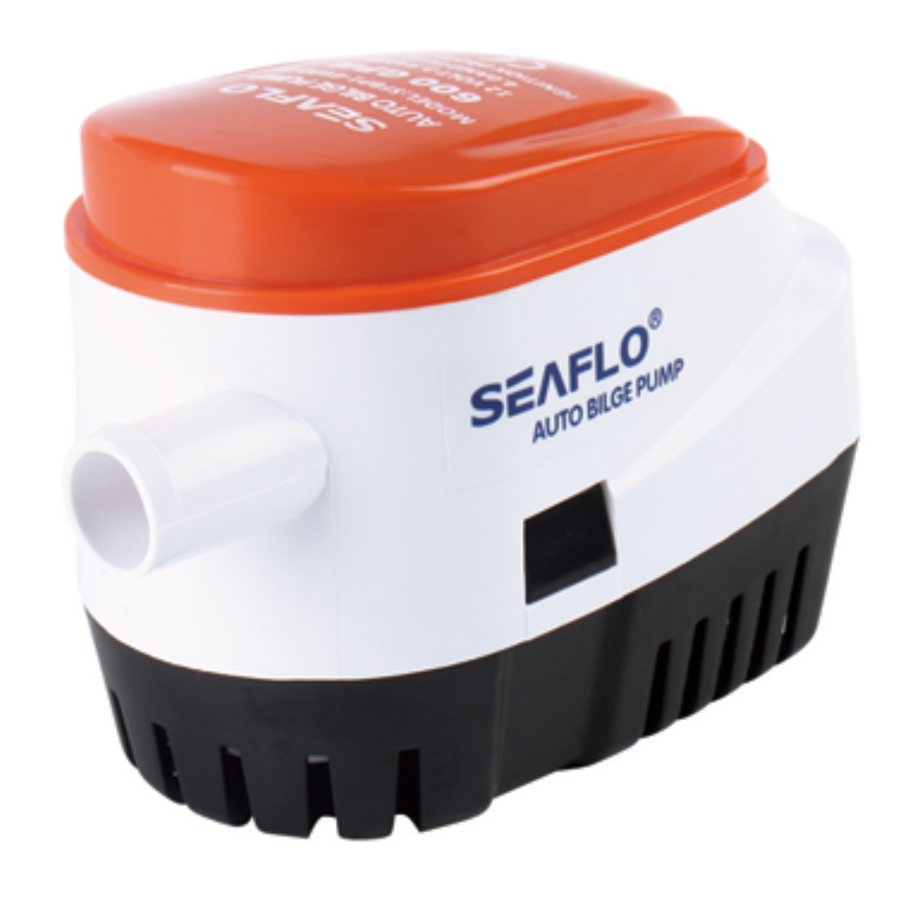
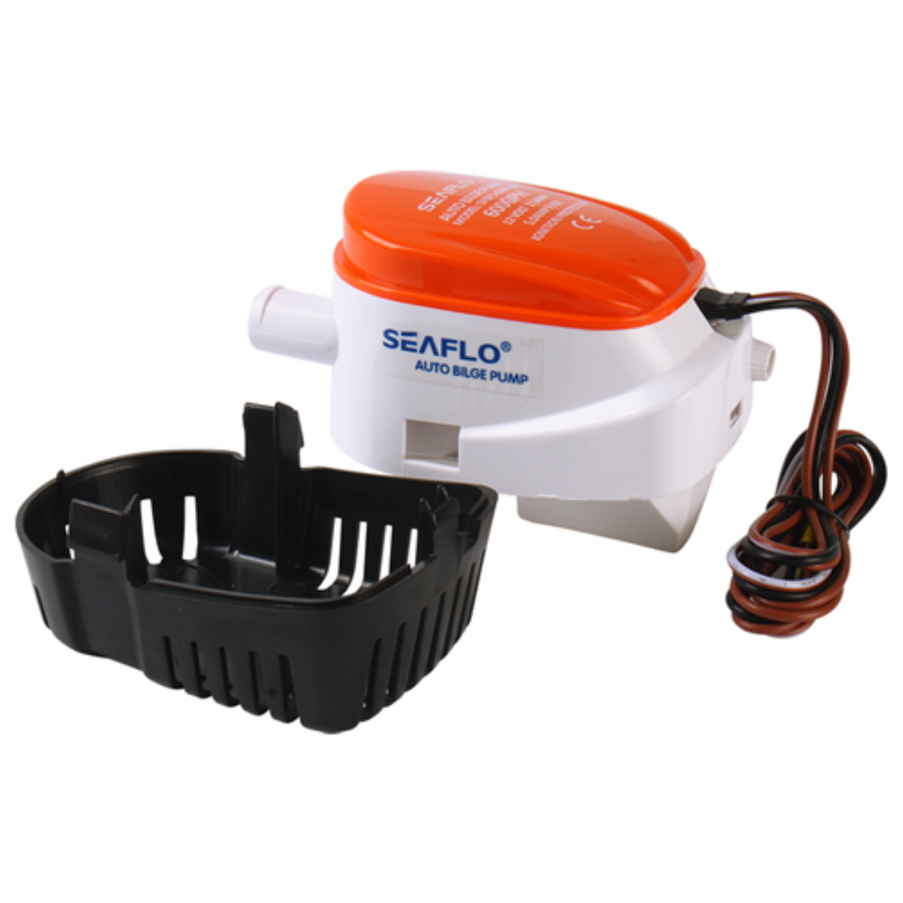
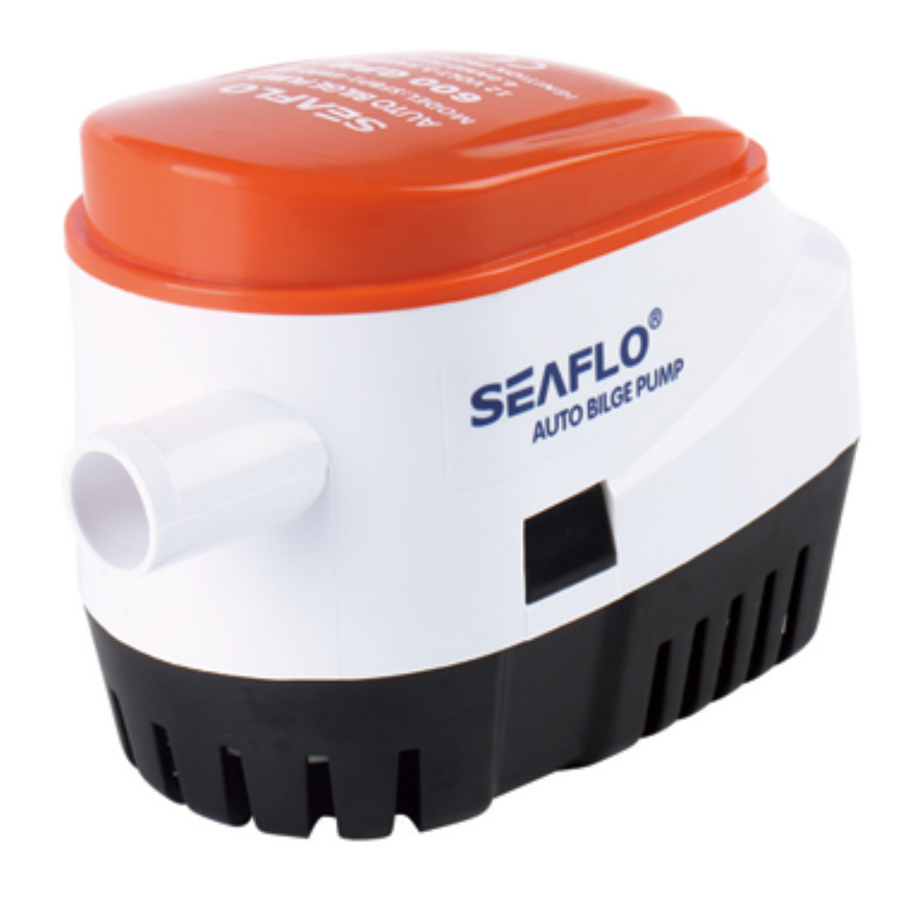
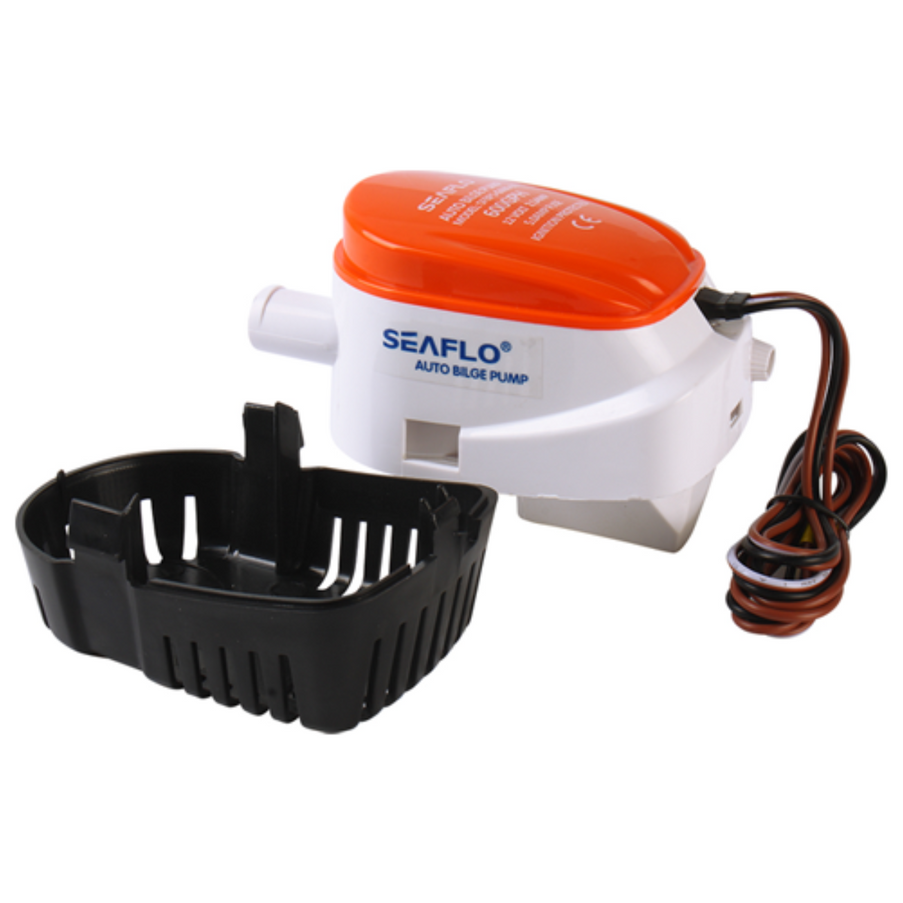
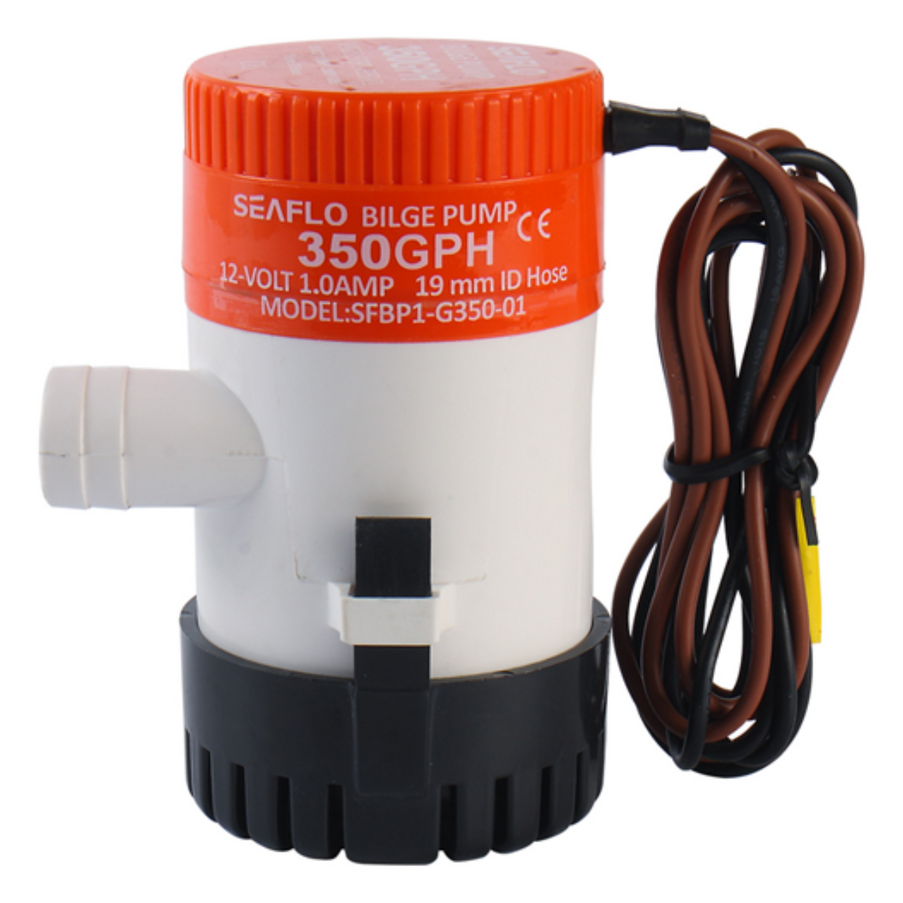
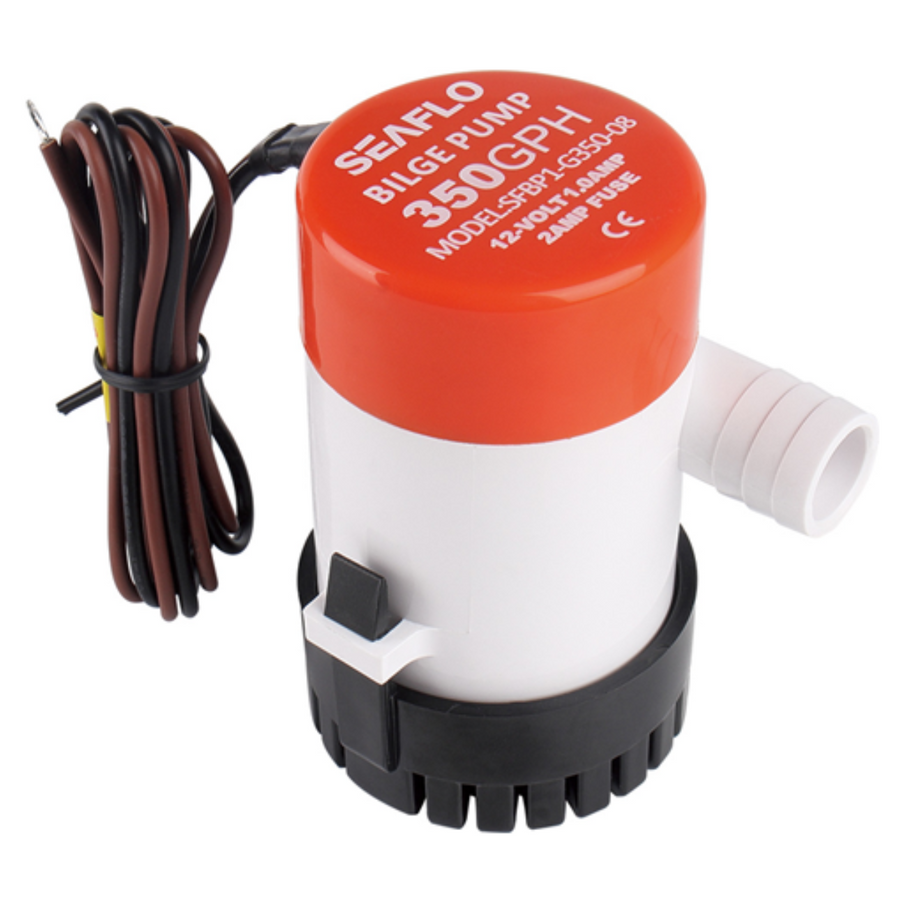
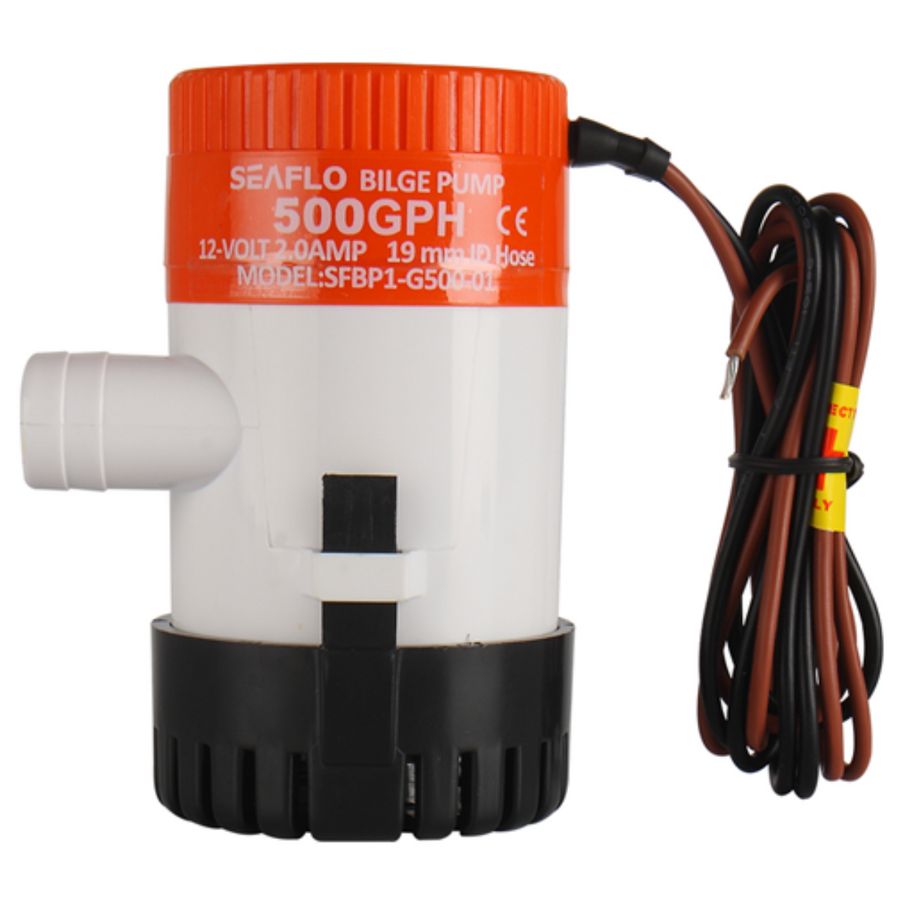
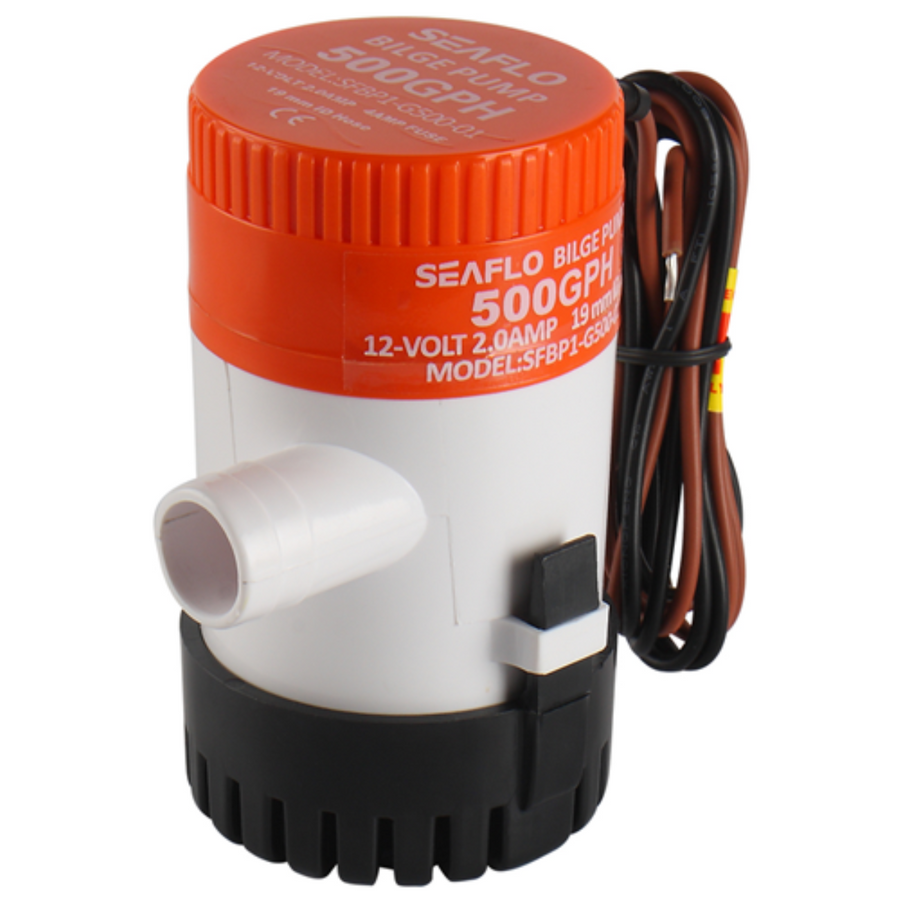
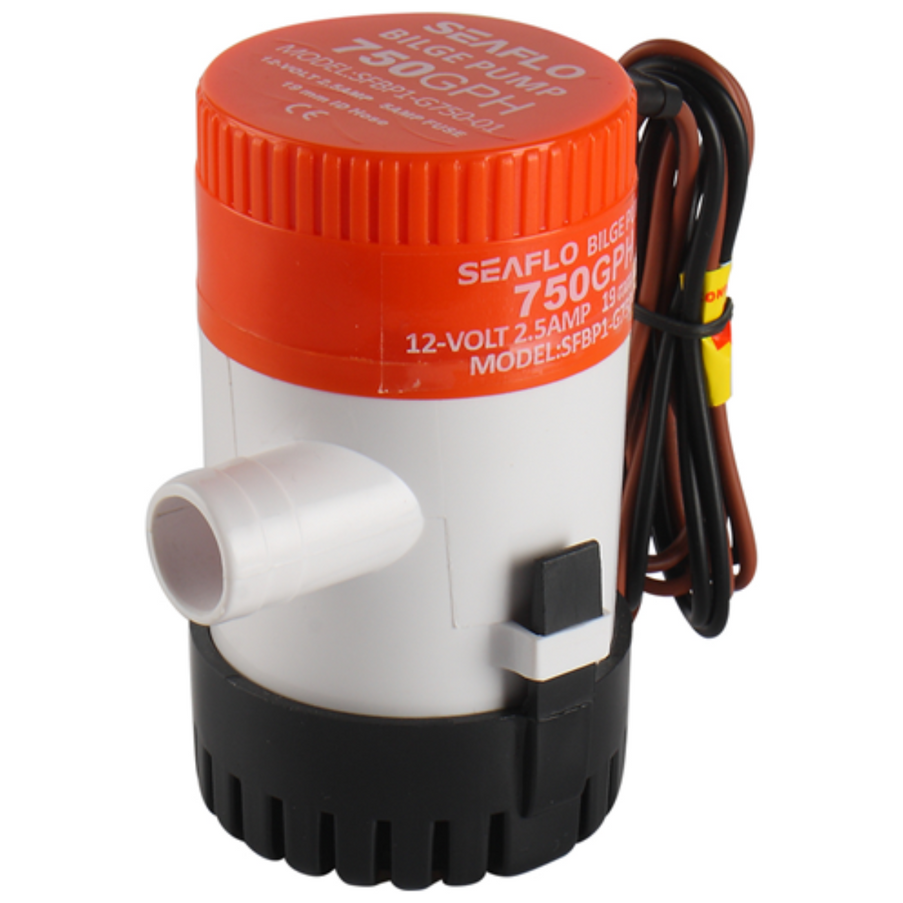
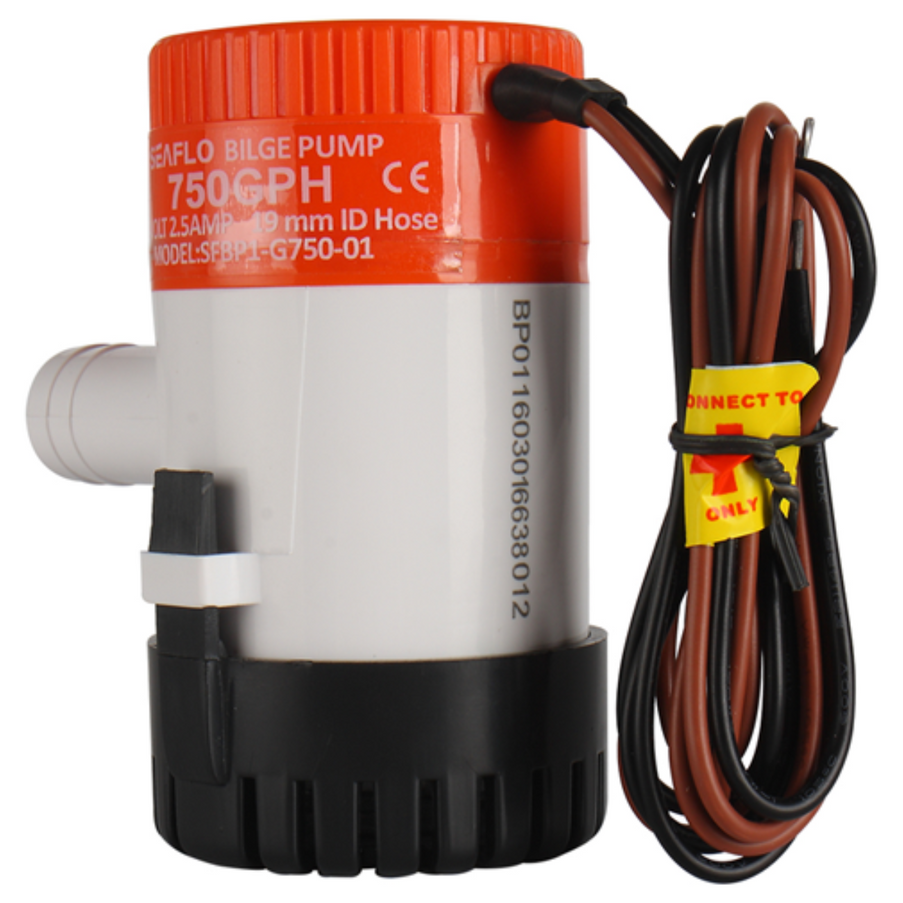
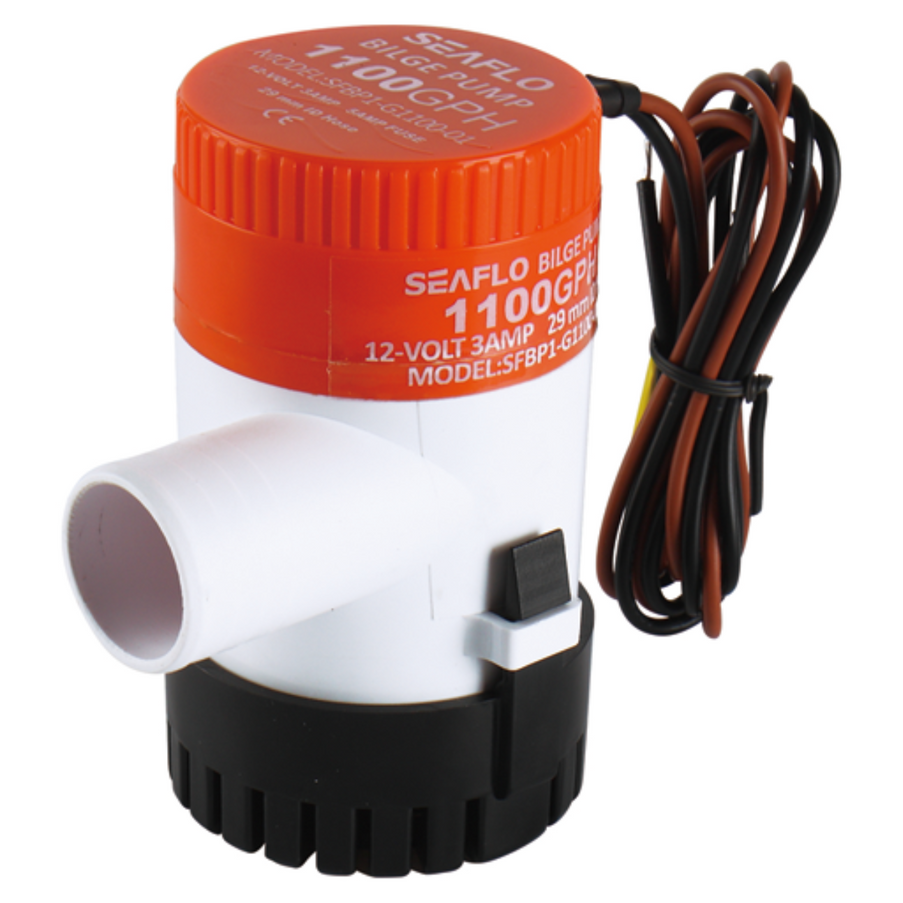
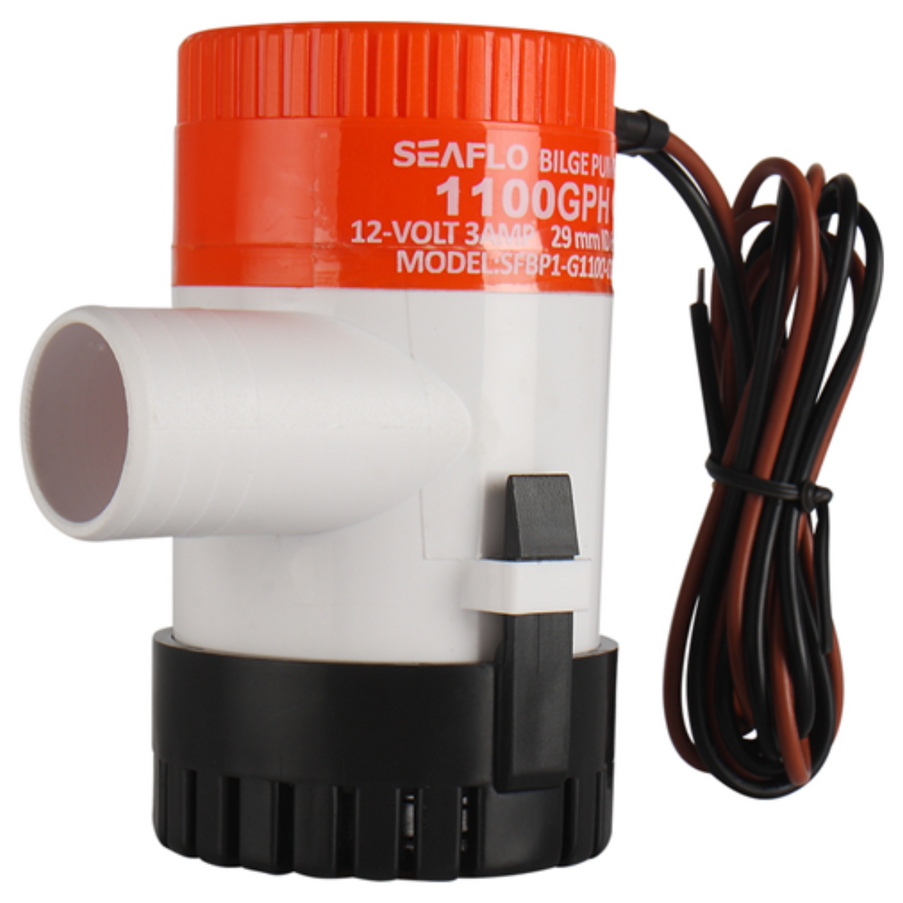
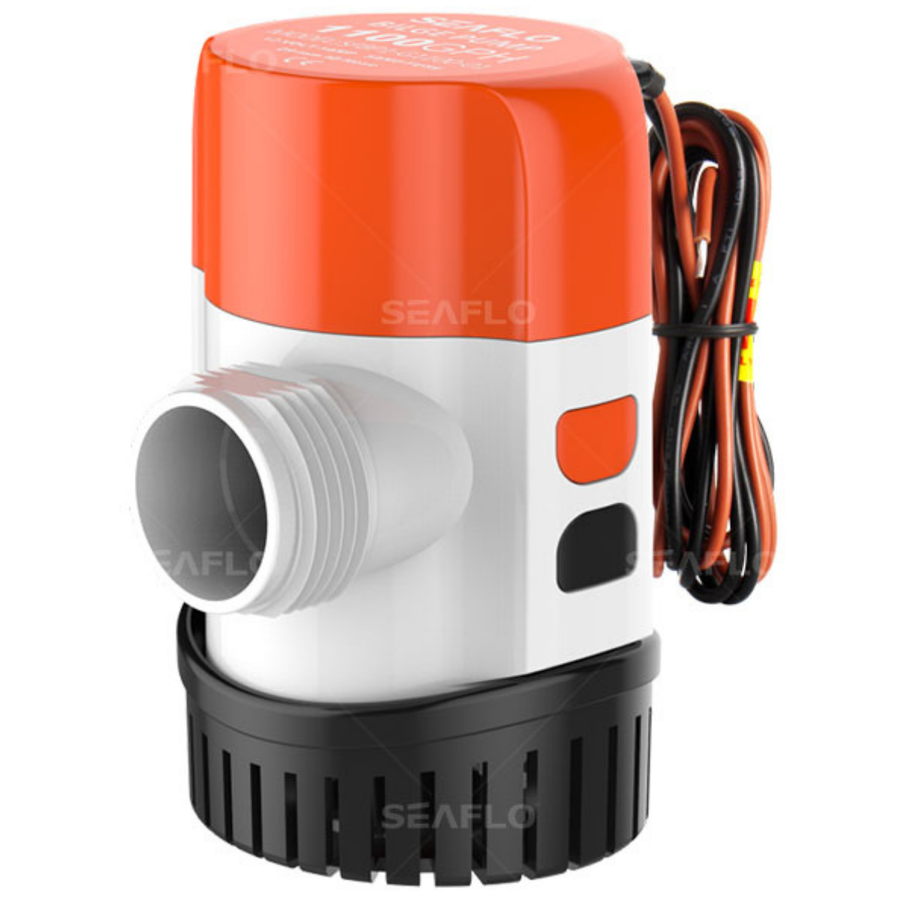
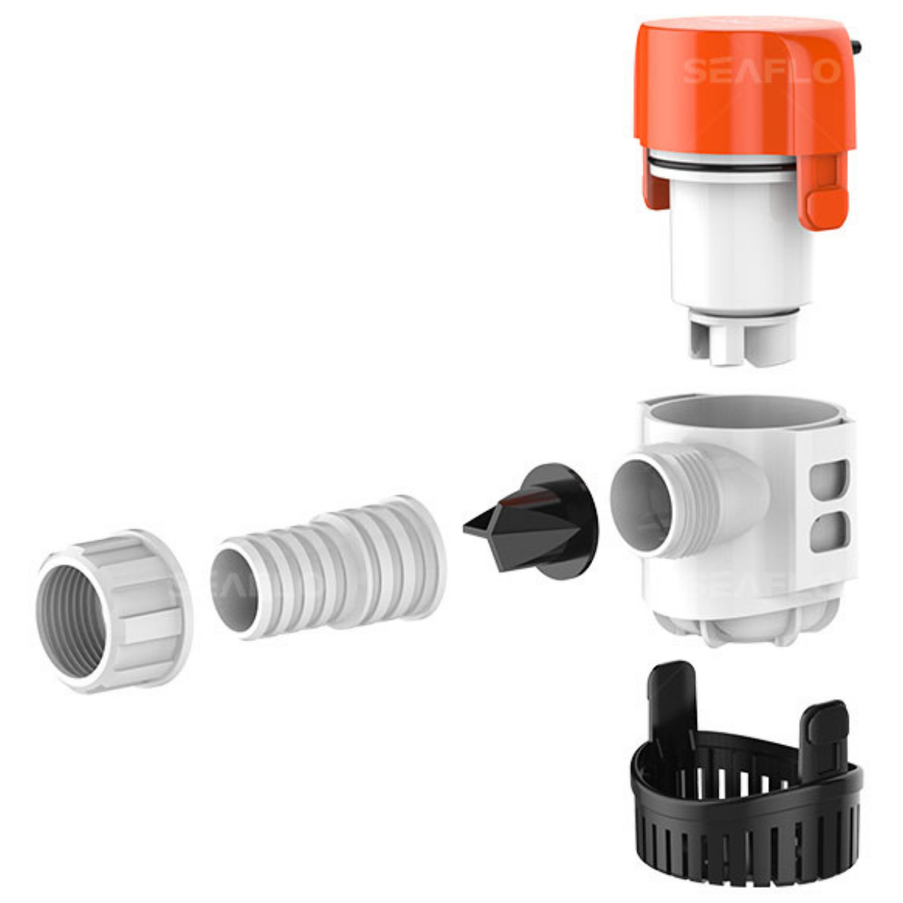
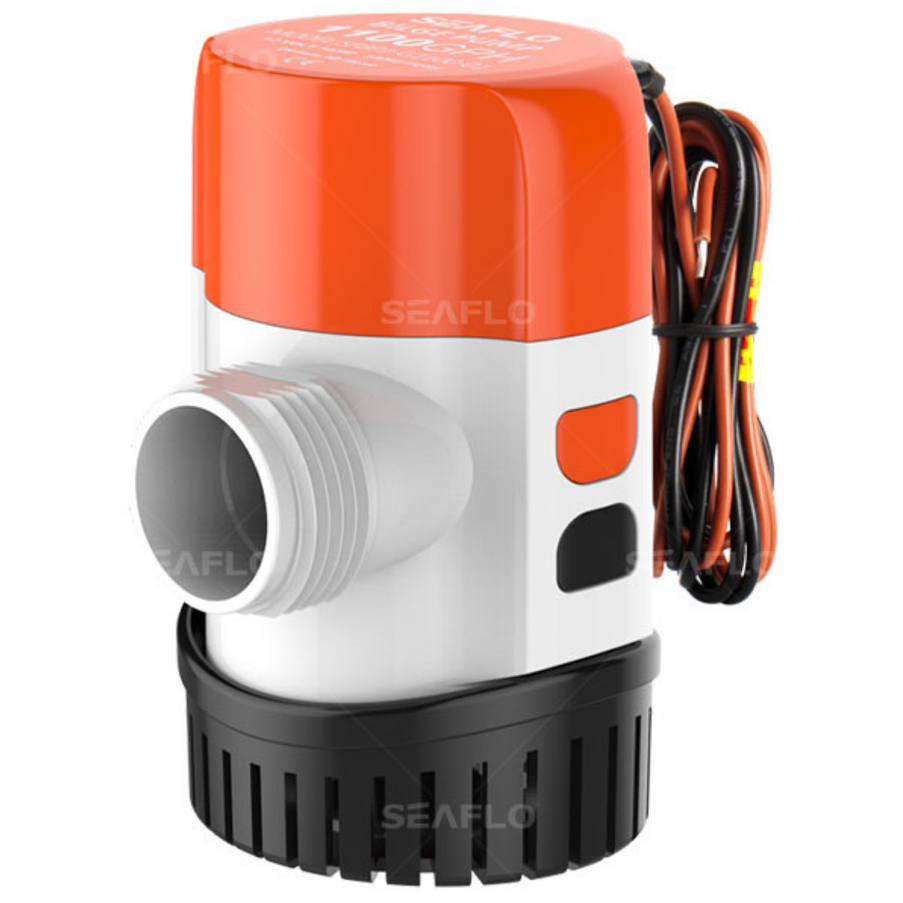
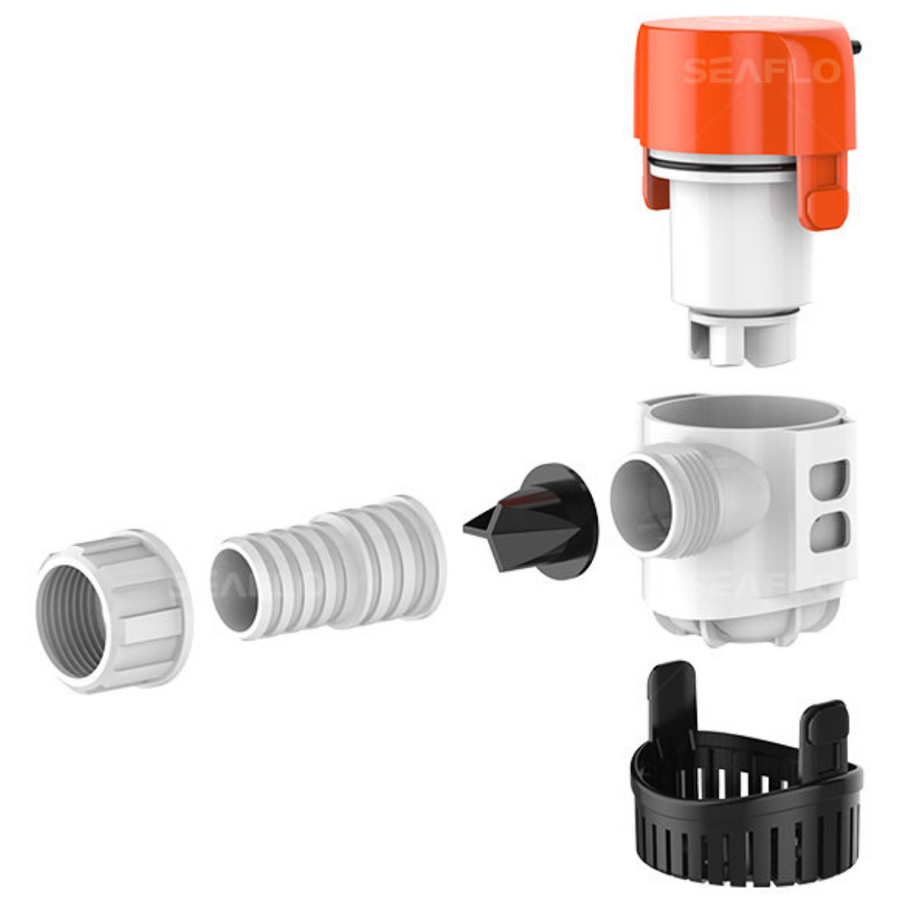
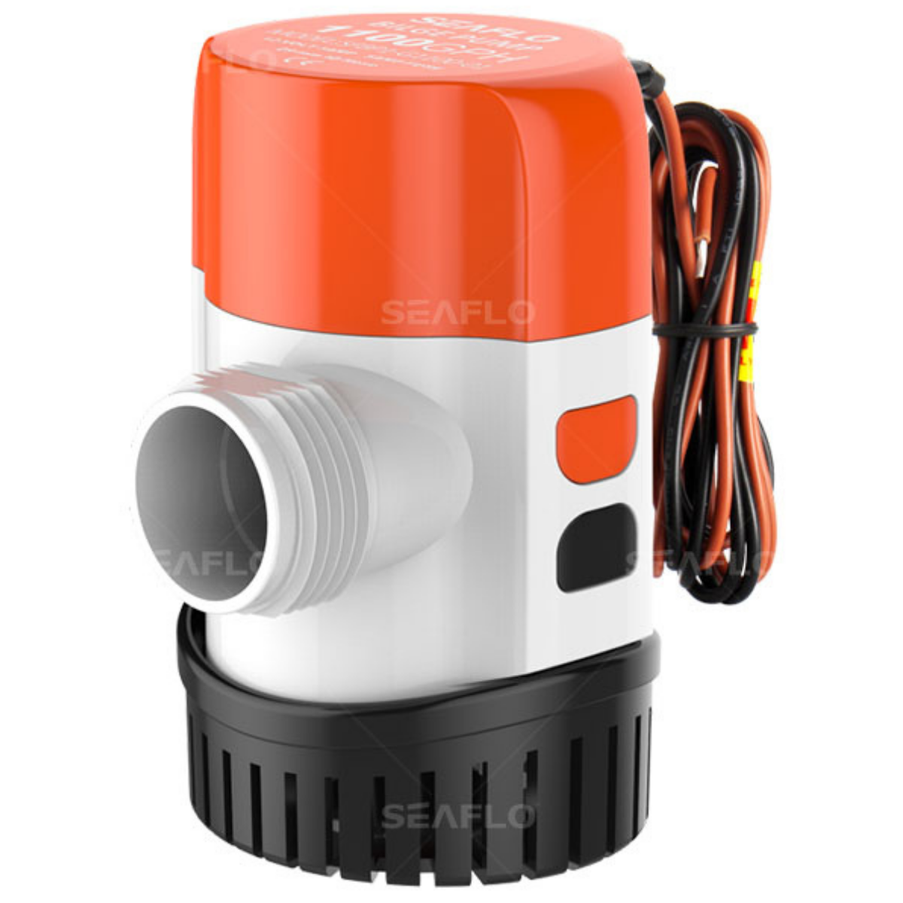
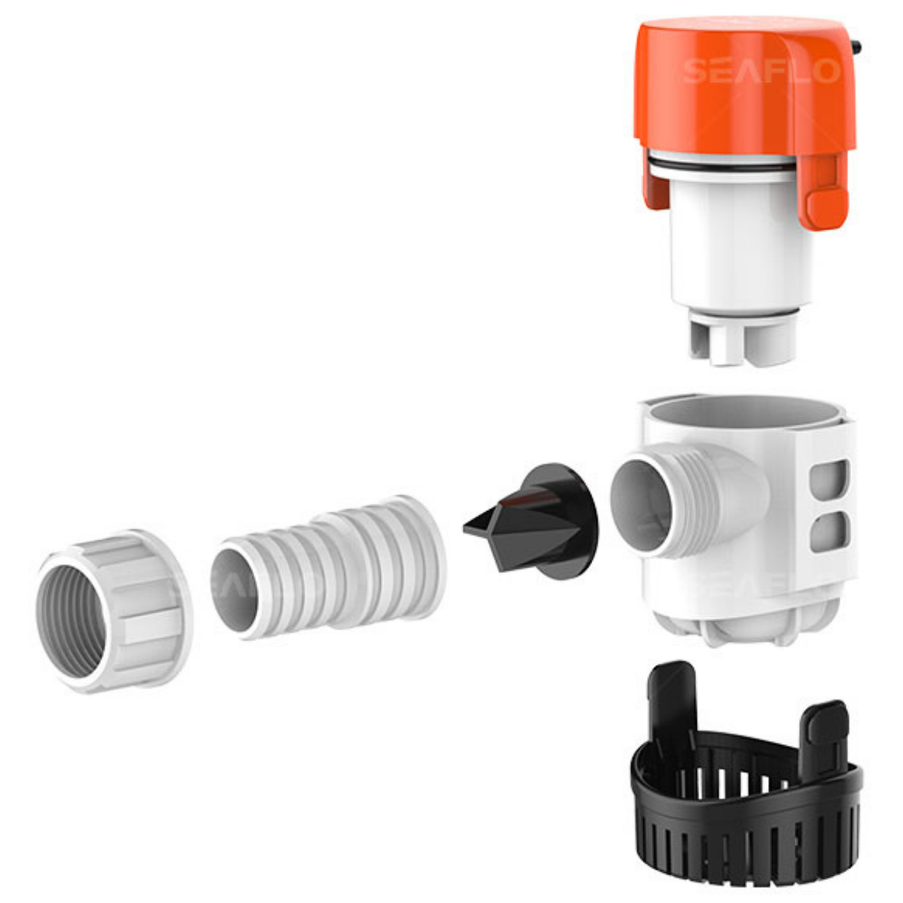
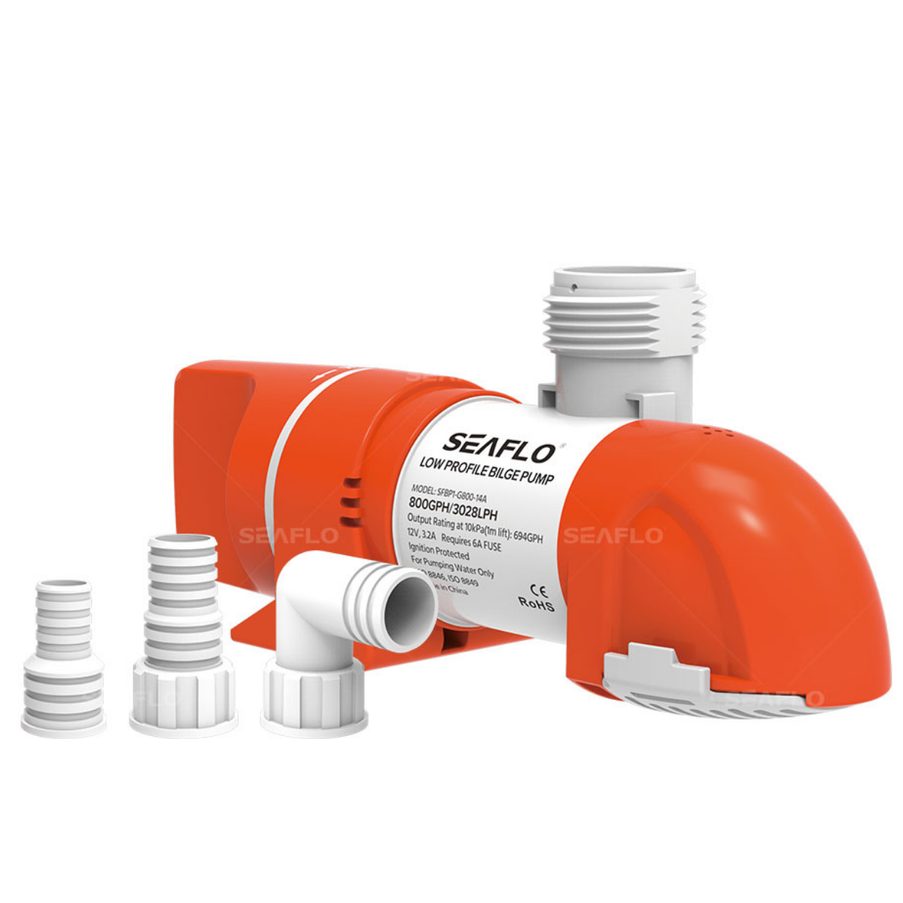
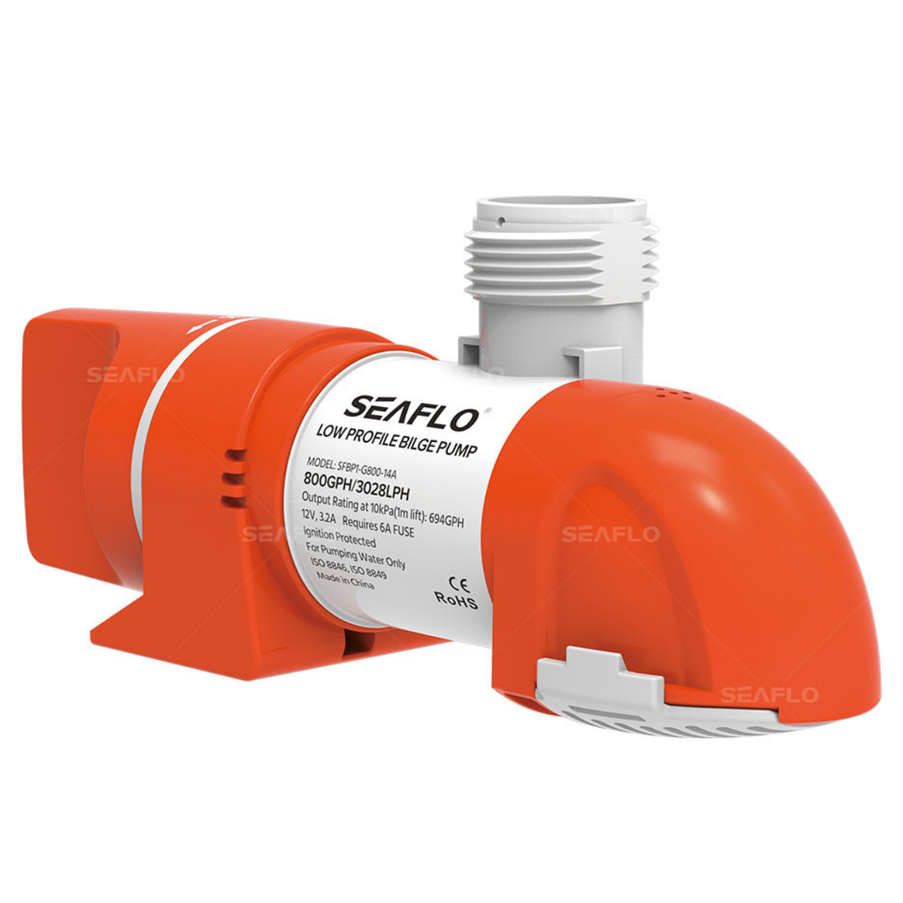
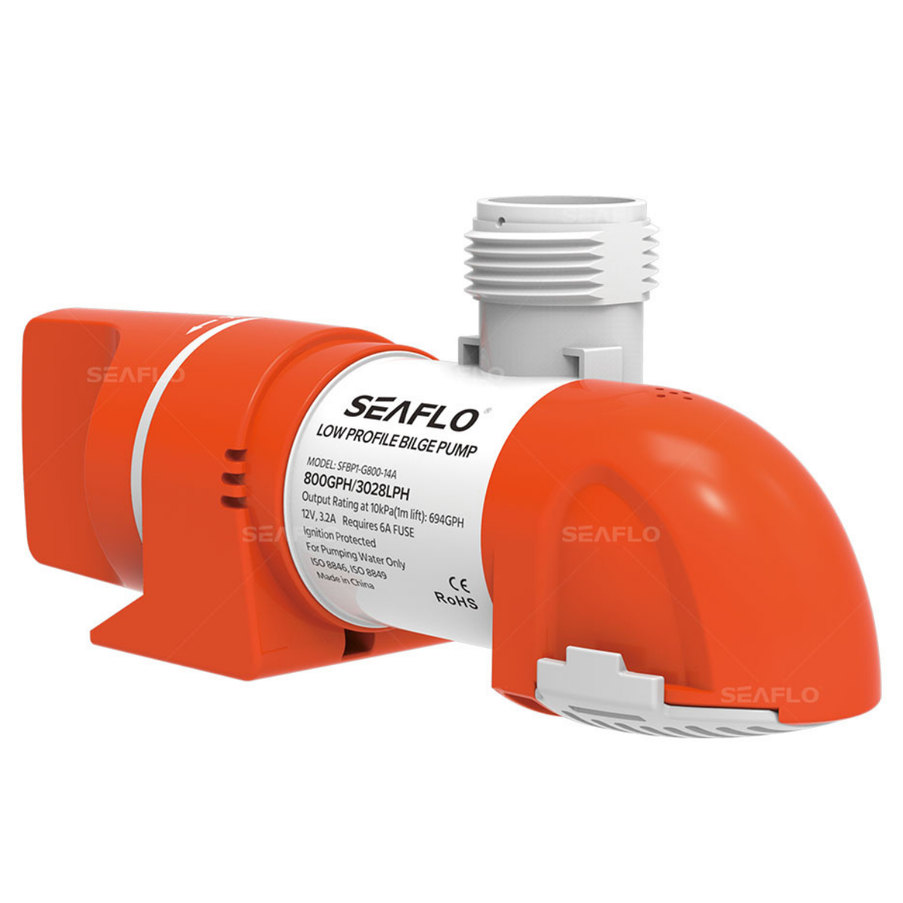
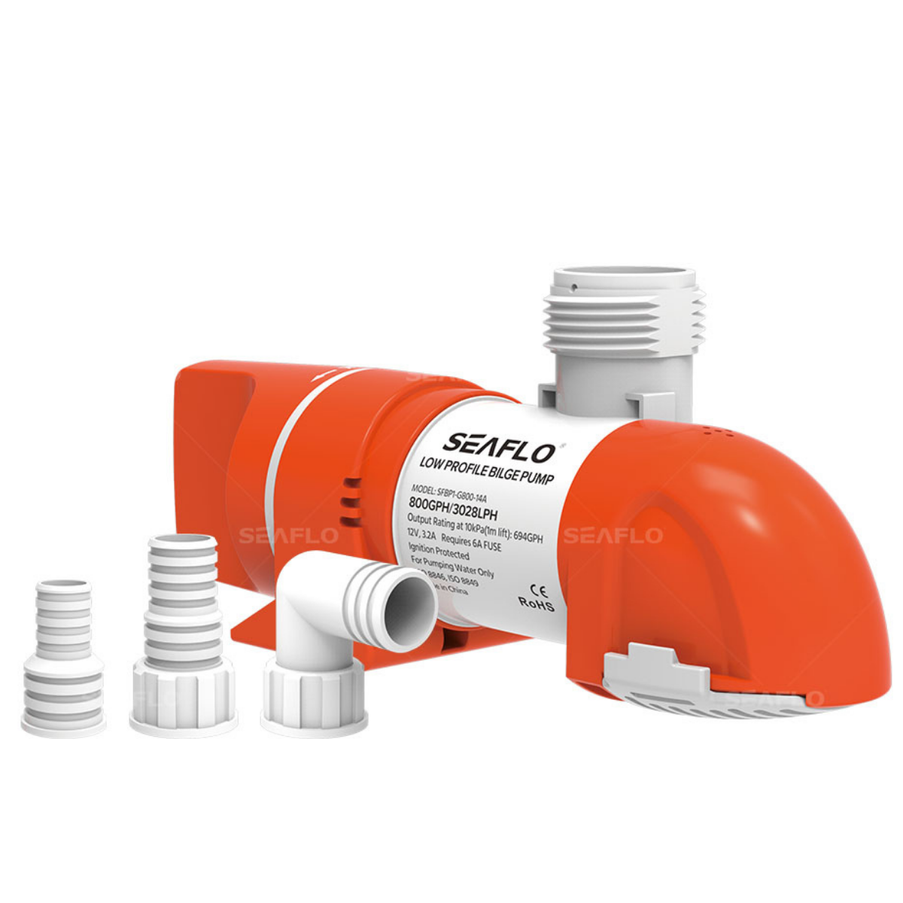
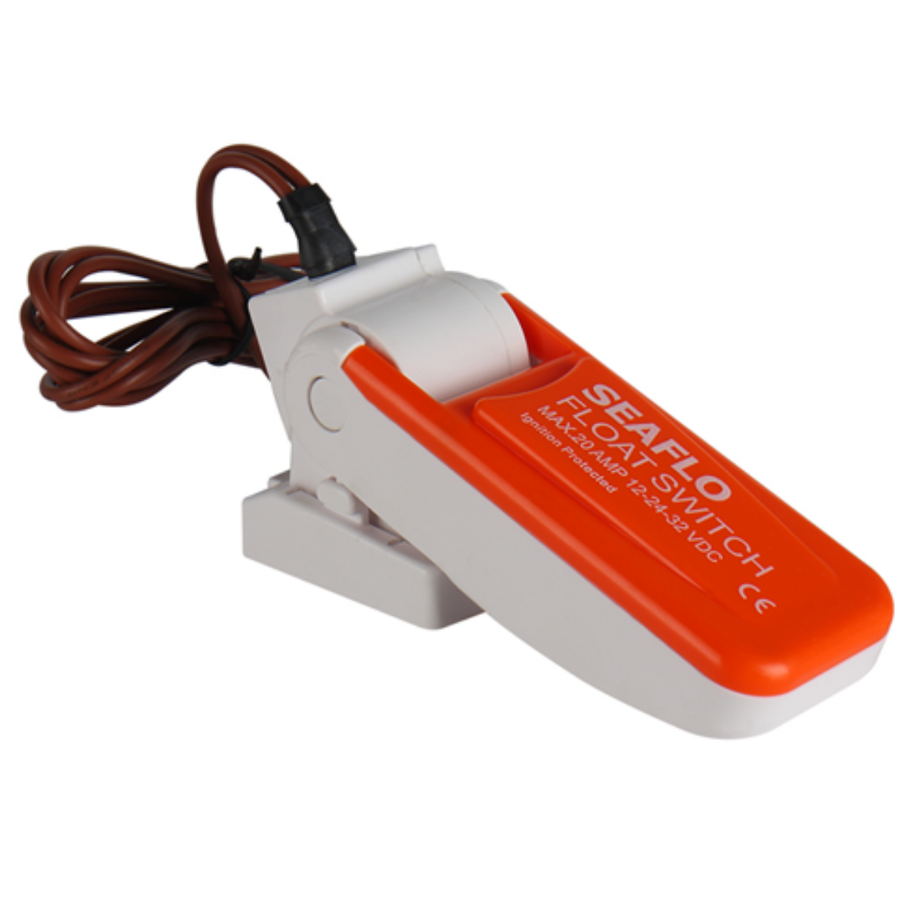
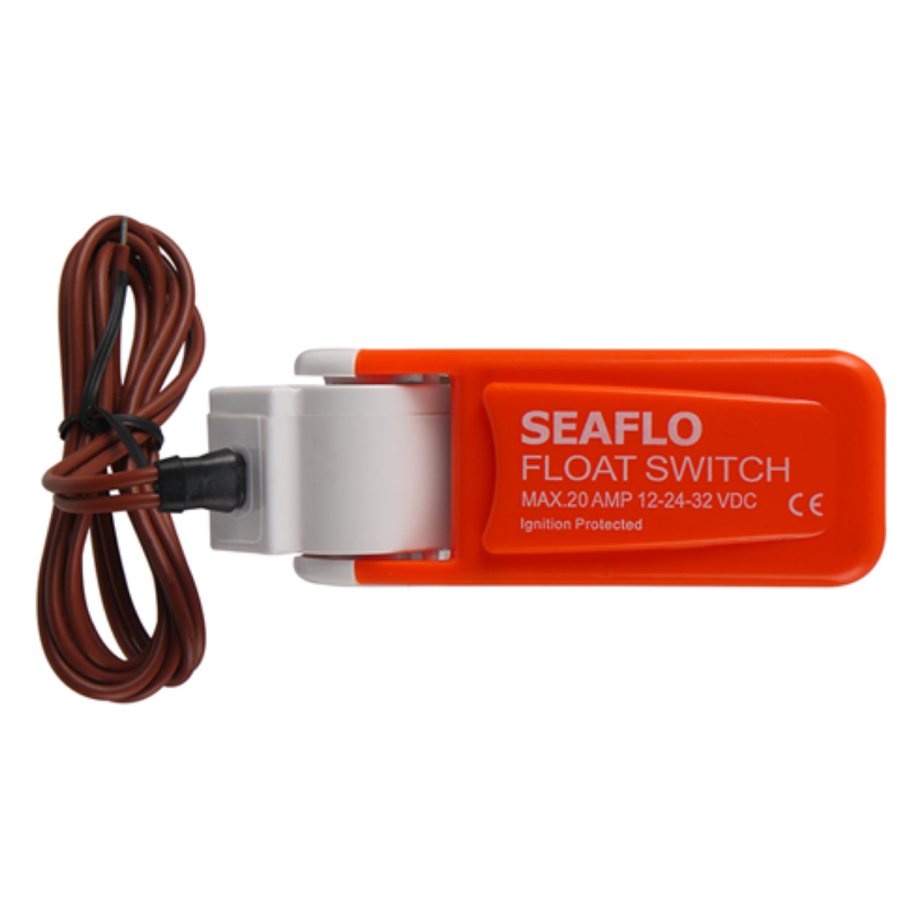
Are you suffering from excess water in your boat's bilge? A bilge pump makes it easy to pump it out. A bilge pump pumps the water out of the bilge automatically, so you never have to do this manually again. A bilge pump with a float automatically pumps the water out of the bilge when the water reaches a certain level. Bilge pumps come in different shapes and sizes, all of which are available in our product range.
What is a bilge pump?
A bilge pump is an essential part of any boat, designed to pump water out of the bilge. The bilge is the lowest point of the boat, where a lot of water easily accumulates. These pumps are equipped with capacities ranging from a few liters per hour to larger capacities with several liters per minute, such as the bilge pump 12V, suitable for various boat sizes. A built-in float switch allows the pump to activate automatically as soon as water is detected, ensuring quick and efficient removal of water from the boat. Whether preventing water build-up, removing leaks or protecting the boat from damage, a bilge pump is essential for every boat owner.
How does a bilge pump work?
A bilge pump works in a simple but effective way to remove water from a boat's bilge. When water accumulates in the bilge, a built-in float switch automatically activates the bilge pump. This switch responds to the water level and sends a signal to the pump once a certain level is reached. Without a built-in float switch, you have to activate the pump manually. Once activated, the pump begins to draw in water through an inlet opening at the bottom. The water is then passed through the pump and pumped outside the boat through a discharge hose. This drain may be located outside the boat or routed through the deck.
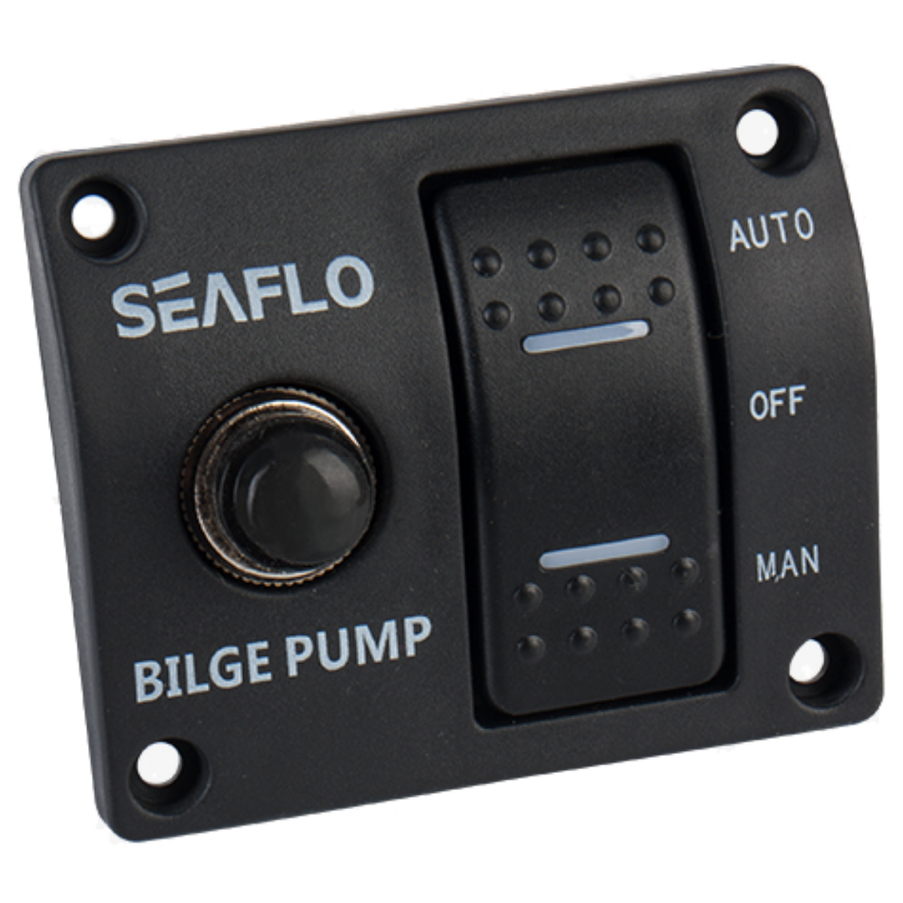
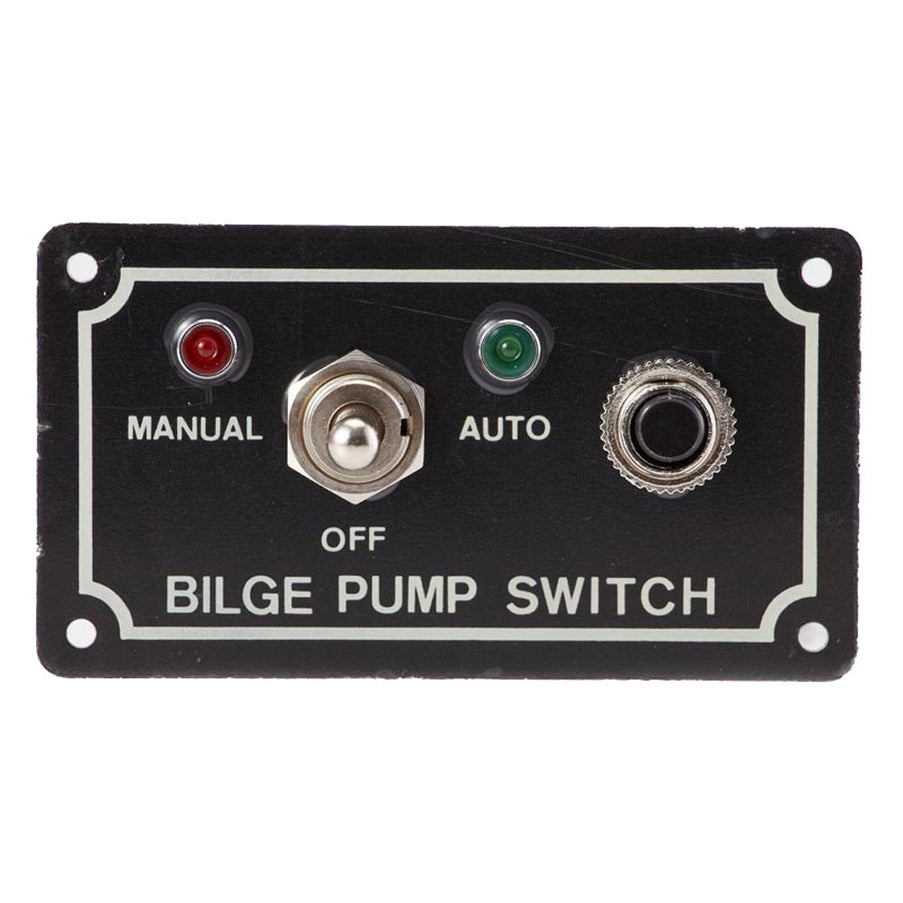
Some bilge pumps can be operated manually for situations where automatic activation is not desired. This provides flexibility for the user to operate the pump as needed.
How do you connect a bilge pump?
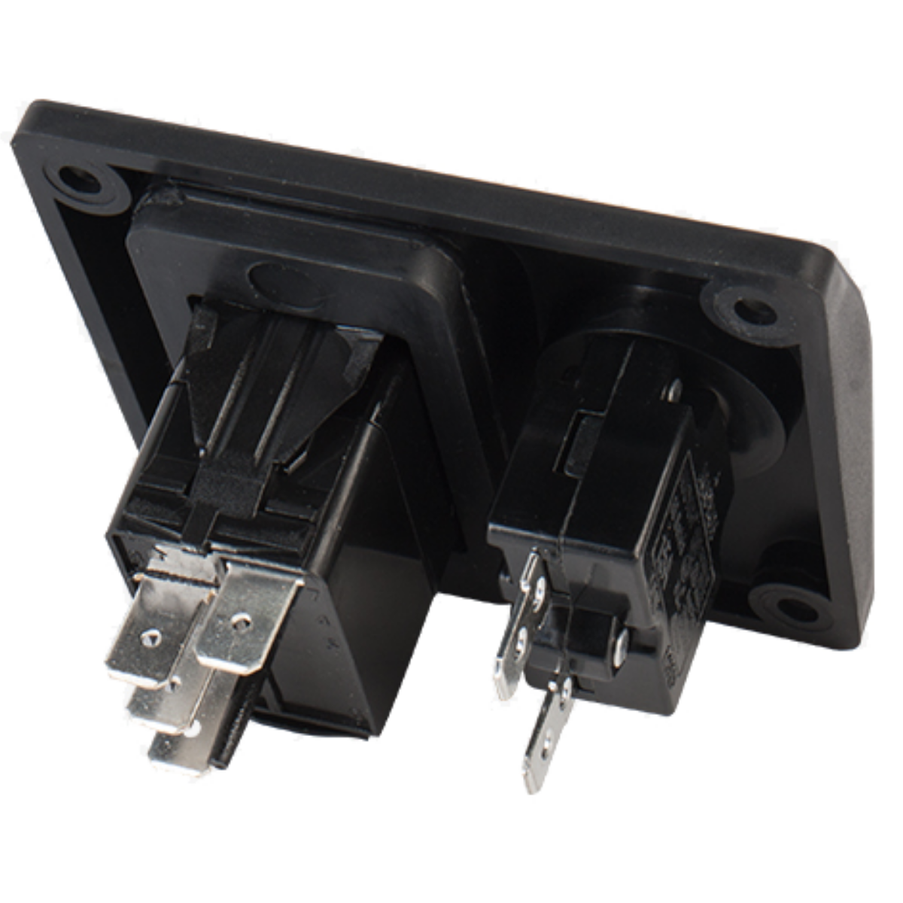
Connecting the pump is an important step for maximum bilge pump operation. First, it is important to mount the filter correctly in the pump. Then you start looking for the best place to place this pump. You place the pump in the deepest part of the boat, this is to ensure that the accumulated water in the bilge is drained as quickly as possible. Next, mount the bilge pump on a block to secure it in place. Once that is done, connect a drain tube and wiring.
Where do you place a bilge pump?
A bilge pump is usually placed in the lowest point of the boat, known as the bilge, where water collects. This may be located under the engine, in the keel or in the middle of the boat, depending on the boat's design. The pump must be strategically placed to effectively remove water. Make sure the bilge pump is firmly attached to the bottom of the bilge to withstand vibration and movement of the boat, and that the inlet opening is row of obstructions to ensure efficient water removal.
How many GPH do I need?
GPH (Gallons Per Hour) gives an indication of how many gallons per hour the bilge pump can carry. Determining which bilge pump you need will depend on several factors, including the size of the boat and the amount of water entering the boat due to such things as a leaking propeller shaft, rainfall or other conditions. The smallest automatic bilge pump we sell is 600 GPH, which is equivalent to 2270 liters per hour. In addition, we have an electric bilge pump with 750 GPH, which is equivalent to 2838 liters per hour. The largest bilge pump with a capacity of 1100 GPH, which is equivalent to 4160 liters per hour. Each bilge pump operates on 12 volts.
Buying a bilge pump
Are you considering buying a bilge pump for your boat? Then look no further, because you've come to the right place! Whether you prefer the convenience of online shopping or prefer to visit our store in person, we offer you a wide selection of high-quality bilge pumps for purchase from us. Our staff is ready to advise and help you make the right choice of bilge pump. Visit our webshop online or come by in our store!
